Does Whey Protein Cause Hair Loss?
(Facts vs. Myths)
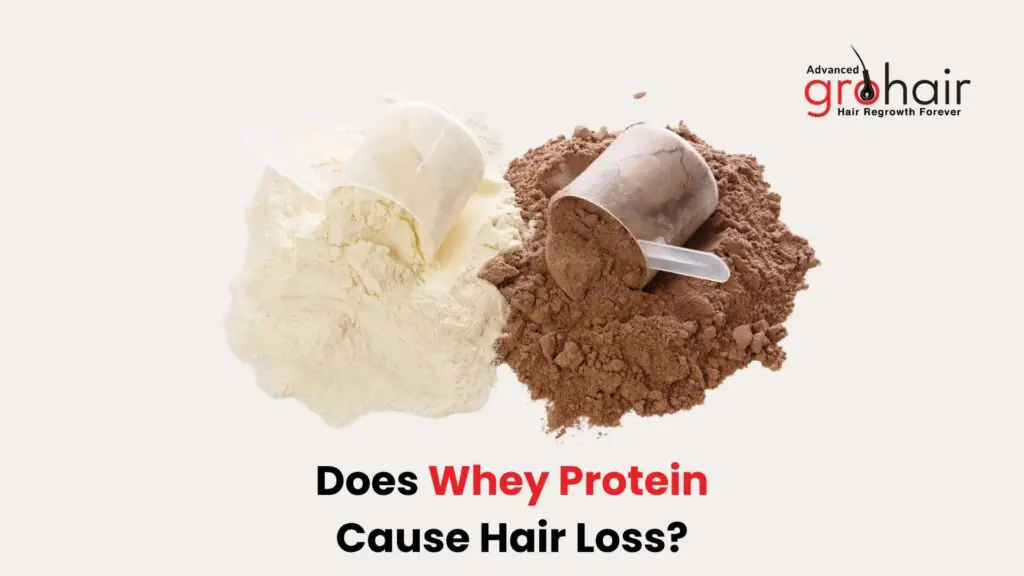
You go to the gym, have a hard routine and use a protein shake every single day to help build muscle. However, then you realise there is more hair in the drain of the shower and begin to think, does whey protein result in hair loss?
This has been a constant concern regarding whey protein and hair loss among fitness enthusiasts who consume a large amount of whey protein. As a matter of fact, whey protein does not cause hair loss directly; however, in some cases, it can affect hair growth in people who are already predisposed to hair loss.
To really know whether or not whey protein causes hair loss, we shall have to look at the relationship between whey protein, hair health and genetics.
In this post, we have broken down the impact of whey protein, its purpose, and the balance between your fitness and hair health.
Protein and Your Hair Health
Hair is mostly made up of keratin, which is a structural protein. Meaning? This protein intake plays a major role in hair health and growth.
Protein is like a whole building block for your body. If you do not have enough protein, your body will prioritise vital functions over your hair, which will cause hair shedding and thinning.
This is where an intake of high-quality protein comes into play. Derived from milk, whey protein is one of the most efficient ways to meet protein requirements.
The right amount of protein helps in:
- Support the growth of new hair follicles
- Maintain overall hair health
- Improve hair density
A protein deficiency can actually lead to hair loss. This makes proper nutrition a very crucial need.
Can a Protein Supplement Directly Cause Hair Loss?
It is one of the most common concerns that whey protein can be a major cause of hair loss. No, Whey protein by itself does not cause hair loss or trigger baldness.
So, why do people believe that it does?
Oftentimes, when people consume whey protein, they also:
- Increase workout intensity
- Change their diet drastically
- Experience physical stress
These sudden changes temporarily cause hair shedding and are often mistaken for a side effect of whey protein (also termed as whey protein hair loss)
Isolate vs. Concentrate: Does the Type of Whey Protein Matter?
Not every type of whey protein affects the body the same way.
Whey Protein Concentrate
Whey protein concentrate or whey concentrate has fats and carbohydrates along with protein. The effects of whey protein concentrate as compared to whey protein are generally milder, making it a balanced source of protein.
Whey Protein Isolate
A highly processed form of whey protein that delivers pure protein with minimal fats. Whey protein isolate may, however, influence hormones more strongly.
Whey Protein Hydrolysate
A higher form of processed protein, whey protein hydrolysate, is pre-digested for faster absorption.
Research suggests that whey protein isolate may increase hormone levels, especially testosterone. Individuals who are genetically prone to hair loss in men might witness an accelerated hair loss.
So, while whey protein may not directly harm everyone, the type of whey you choose matters.
The DHT Connection: How Genetics Influence Hair Loss
The actual problem is in genetics, not in the consumption of whey protein.
Testosterone is slightly increased by whey protein and is converted to DHT (dihydrotestosterone). In sensitive people, DHT may attach itself to hair follicles, and as time passes, the hair follicle becomes smaller.
This process can:
Reduce hair growth
Cause thinning hair
Increase the risk of hair loss
This explains the relationship between whey protein and genetic predisposition.
It is not necessarily the case that whey protein is the cause of hair loss, but it can increase the rate of hair loss in those who are already susceptible.
Also Read: DHT Blockers – Guide to remove DHT
Are There Other Whey Protein Side Effects on Hair?
Whey protein does not only have hormonal effects.
Nutritional Imbalance
A high-protein diet may lack other essential nutrients. This disproportion may cause loss of hair and affect the general health of the hair.
Digestive Issues
Consumption of whey causes inflammation or poor digestion in some people, and this impacts the absorption of nutrients. This may lead to loss of hair due to a deficiency.
Lifestyle Factors
Most of the problems related to whey protein are merely a result of lifestyle choices rather than the supplement itself.
Although the muscle growth advantages of whey protein are explicit, protein effects on hair tend to be indirect.
How to Prevent Hair Loss While Taking Whey Protein
You do not necessarily have to stop in case you lose hair or you notice any kind of hair change. There is a way to deal with it.
Choose the right type of protein
Whey protein concentrate may be substituted with whey protein isolate.
Control Intake
Do not consume too much protein. Consumption of whey protein must be in accordance with body requirements.
Maintain Balance
Take vitamins and minerals to prevent hair loss and promote hair health.
Smart Supplement Usage
While you can still keep using whey protein, ensure it is the right fit according to your diet.
Alternative Protein Sources for Healthy Hair
Consider these alternative whey protein options if you have noticed side effects from whey protein.
Plant-based proteins can help meet your daily needs without affecting your hormones.
To support hair growth, naturally try sources of protein like meat, eggs and legumes. These provide high-quality protein naturally.
The right protein source keeps your body, hair and health maintained.
Also Read: Best Food for Hair Growth in India
Conclusion
In summary of the relationship between whey protein and loss of hair, the evidence demonstrates that in most people, whey protein does not cause loss of hair.
Nevertheless, there are some factors, such as genetics, excessive consumption of protein, and sensitivity to hormones, which may determine hair loss.
Whey protein is usually healthy, and in most instances, it has helped many people have healthy hair and meet their fitness targets.
However, when you observe consistent hair loss or extreme loss of hair, consult a doctor. Interventions, such as lifestyle change or even a hair transplant, can be used to restore self-esteem and lead to new hair growth.
Frequently Asked Questions
Does whey protein increase DHT levels in the body?
Whey protein isolate may indirectly increase DHT by boosting testosterone during intense exercise. While it doesn’t “create” DHT, it can accelerate thinning in those already genetically prone to male pattern baldness.
Is plant-based protein better for hair than whey?
Generally, yes. Plant-based proteins are less likely to influence hormone fluctuations compared to some animal-based supplements.
Can a sudden protein increase cause temporary shedding?
Yes. Drastic dietary shifts or “bulking” can cause metabolic stress, leading to Telogen Effluvium. This temporary shedding usually stops once your body adapts to the new nutritional intake.
Are there ingredients in shakes that specifically trigger hair loss?
Pure whey is safe, but low-quality blends often contain hidden additives or pro-hormones. Always choose “Third-Party Tested” products to avoid contaminants that could disrupt your endocrine system and hair cycle.
Should I stop taking whey protein after a hair transplant?
No, protein is vital for graft healing. However, you should switch to a clean, additive-free concentrate and consult your surgeon to ensure your specific supplement doesn’t interfere with post-op recovery.
Book An Appointment