Microblading for Sparse Eyebrows: How Does It Work?
Consultant Dermatologist
What Is Eyebrow Microblading?
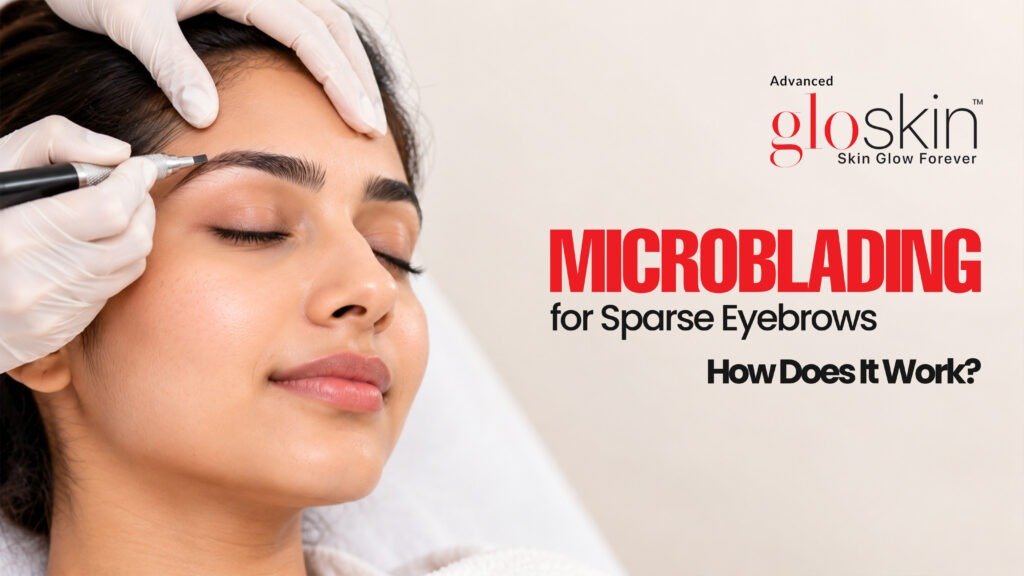
Eyebrow microblading is a form of semi-permanent cosmetic pigmentation performed using a handheld tool fitted with very fine needles.
During the microblading procedure, the technician creates tiny, controlled strokes in the upper layers of the skin and deposits pigment into them. These strokes are positioned to resemble natural eyebrow hair rather than the solid appearance sometimes associated with traditional eyebrow tattoos. The aim is not to create completely different brows. In most cases, the treatment is used to work with the existing brows by filling in sparse areas, improving definition, or making both sides appear more balanced.
Unlike conventional makeup, microblading results remain visible for an extended period while gradually fading over time. For this reason, it is often described as a semi-permanent eyebrow enhancement treatment.
How Does Microblading Create the Appearance of Fuller Brows?
The main feature of microblading is the way each stroke is planned and placed.
A technician studies the natural brow growth, existing eyebrow hair, direction of the hairs, and areas where fullness is missing. Fine hair strokes are then added between or around natural hairs to reduce the appearance of gaps. For example, filling in sparse brows may involve adding strokes only in the tail or centre of the brow rather than treating the entire eyebrow.
Pigment selection also plays an important role. A suitable shade is generally chosen according to factors such as natural eyebrow colour, skin tone, and the appearance the person wants to achieve. The goal is usually to create natural-looking brows rather than brows that look heavily drawn on.
Because the pigment is placed more superficially than in many traditional tattoos, microblading tends to soften and fade gradually instead of remaining unchanged permanently.
Who May Consider Microblading?
Microblading may be considered by people who are unhappy with the density, balance, or definition of their eyebrows.
It may be useful for:
- People with naturally sparse eyebrows
- Those with thin brows or visible gaps
- Individuals with uneven brow shape
- People wanting a more defined-looking eyebrow
- Those who regularly spend time filling in sparse areas with makeup
Some people also notice reduced eyebrow density because of over-plucking, ageing, or previous hair loss. However, not everyone is automatically suitable for microblading. Skin type, active skin conditions, medications, previous cosmetic procedures, and other individual factors may need to be considered.
People with very oily skin, for example, may notice pigment fading differently compared with other skin types. A professional assessment is therefore important before choosing any brow treatment.
What Happens During a Microblading Session?
A microblading session normally involves several stages rather than immediately beginning with pigment application.
Eyebrow and facial assessment
The technician first examines the natural brow, existing brows, facial proportions, and eyebrow density. This helps identify where additional hair-like strokes may be useful.
Shape and design planning
The new brow shape is mapped before the microblading starts. Measurements may be taken to improve symmetry while still keeping the result suited to the individual’s facial structure.
Pigment selection
A pigment shade is selected based on natural eyebrow hair, skin tone, and the desired result. The colour may appear stronger immediately after treatment before settling during the healing process.
Preparing the brow area
The brow area is cleaned before treatment. Depending on the treatment protocol, a topical numbing product or numbing cream may be used to make the procedure more comfortable.
Creating the strokes
A handheld tool with tiny needles is used to create fine strokes while depositing pigment into the upper layers of the skin. Each stroke is usually placed in a direction that complements natural brow growth.
Final assessment
Once the strokes have been created, the technician reviews the shape, fullness, and balance before completing the appointment. A touch-up session may sometimes be discussed depending on how the pigment settles after healing.
How Is the Eyebrow Shape Decided?
Good microblading is not simply about creating the same eyebrow design for everyone.
The shape of your brows should ideally be planned around your own facial structure and existing eyebrow pattern.
Several factors may be considered, including:
- Natural eyebrow structure
- Facial proportions
- Position of the brow arch
- Existing eyebrow density
- Direction of eyebrow hair growth
- Desired level of fullness
- Overall facial balance
Someone with naturally straight brows may require a different design from someone with a clearly defined natural arch. Similarly, filling in a small patchy area may require far less correction than designing a new brow shape for very thin eyebrows.
The aim of eyebrow shaping treatment should generally be enhancement rather than forcing the brows into an unsuitable pattern.
How Long Does Microblading Take to Heal?
Healing varies between individuals, but the visible recovery process usually takes place gradually over several days to a few weeks.
Immediately after treatment, the brows may appear darker or more sharply defined than expected. Mild redness or sensitivity around the brow area can also occur. As healing progresses, the skin may feel slightly dry and small areas may flake. Some people may also notice light scab formation. During this period, the pigment can temporarily appear lighter, uneven, or different from how it looked immediately after the microblading session.
This does not necessarily indicate the final microblading results.
The pigment usually needs time to settle before the natural result can be properly evaluated.
What Should You Expect After Microblading?
The appearance of microbladed brows can change throughout healing.
During the first few days, the colour may look stronger because the pigment is fresh and the skin has recently been treated.
As the surface begins healing, the eyebrows may temporarily look patchy. Pigment can also appear slightly lighter before settling.
Common short-term changes may include:
- Temporary redness
- Mild sensitivity
- Darker-looking pigment initially
- Dryness or flaking
- Gradual colour softening
- Changes in the appearance of individual strokes
It is important not to judge the outcome at the very beginning of the process.
Following the recommended microblading aftercare can help support normal recovery.
How to Care for Your Eyebrows After Microblading
Aftercare plays an important role in how the brow area heals and how the pigment settles.
The exact aftercare instructions may vary depending on the professional performing the treatment, so personalised guidance should always be followed.
General care may include:
- Keeping the treated area clean as advised
- Avoiding unnecessary touching or rubbing
- Not picking at flaking skin or scabs
- Avoiding makeup directly over the healing area until advised
- Limiting activities that may interfere with healing
- Following the technician’s instructions regarding water, sweating, or skincare products
Picking or scratching may disturb the healing skin and can affect pigment retention.
The treated area should be allowed to heal naturally rather than trying to remove a flake or scab early.
How Long Does Microblading Last?
One of the most common questions is, “How long does microblading last?”
Microblading is semi-permanent, which means the pigment gradually becomes lighter rather than lasting indefinitely.
Longevity can differ considerably between individuals.
Factors that may affect how long the results remain visible include:
- Skin type
- Oily skin
- Sun exposure
- Skin care routine
- Pigment colour
- Natural skin renewal
- Lifestyle
- Quality of aftercare
In some people, pigment may fade faster, while in others the results can remain noticeable for longer.
The strokes may also soften or blur over time as the colour gradually changes.
Because results are not permanent, touch-up appointments may be considered when greater definition is desired again.
Microblading vs. Natural Eyebrow Makeup: What Is the Difference?
Both microblading and eyebrow makeup can help improve the appearance of sparse brows, but the approach is different.
Factor | Microblading | Eyebrow Makeup |
Application | Pigment is placed into the superficial skin using fine strokes | Pencil, powder, gel, or other products are applied to the skin and brow hairs |
Maintenance | Does not need daily reapplication while the pigment remains visible | Usually needs to be applied and removed regularly |
Appearance | Designed to create fine hair-like strokes | Appearance depends on the product and application technique |
Longevity | Semi-permanent and gradually fades | Temporary and usually removed during cleansing |
Makeup provides flexibility because the brow shape and colour can be changed whenever desired.
Microblading may appeal more to someone who prefers a longer-lasting eyebrow enhancement treatment and wants to reduce daily brow makeup.
Conclusion
Microblading can be an option for people who want the appearance of fuller, more defined, or more balanced eyebrows without applying eyebrow makeup every day.
However, good results depend on more than simply adding pigment. Natural brow structure, skin type, colour selection, hair-stroke placement, healing, and professional technique all influence the final appearance.
If you are considering eyebrow microblading Chennai or searching for a microblading treatment in Chennai, choose a trusted clinic where the eyebrow and skin are properly assessed before treatment. If there are underlying skin concerns, a dermatologist may also advise whether a cosmetic procedure is appropriate.
A professional consultation can help determine whether microblading for thin eyebrows is suitable for you and what type of result can realistically be achieved.
Frequently Asked Questions
Is microblading suitable for sparse eyebrows?
Yes, it may help sparse brows look fuller and more defined, depending on skin type and existing brow hair.
Does microblading look natural?
Yes. Fine hair-like strokes are created to closely resemble natural eyebrow hairs.
How long does eyebrow microblading last?
Microblading is semi-permanent and gradually fades over time. Longevity varies based on skin type, lifestyle, and aftercare.
Is there any downtime after microblading?
Mild redness, sensitivity, dryness, or flaking may occur during healing.
Can microblading correct uneven eyebrows?
Yes, it may help create a more balanced appearance by adding strokes to areas that need more definition.
Book An Appointment