HydraFacial for Dull Skin: Can It Help Restore a Fresh-Looking Glow?
Consultant Dermatologist
What Is a HydraFacial?
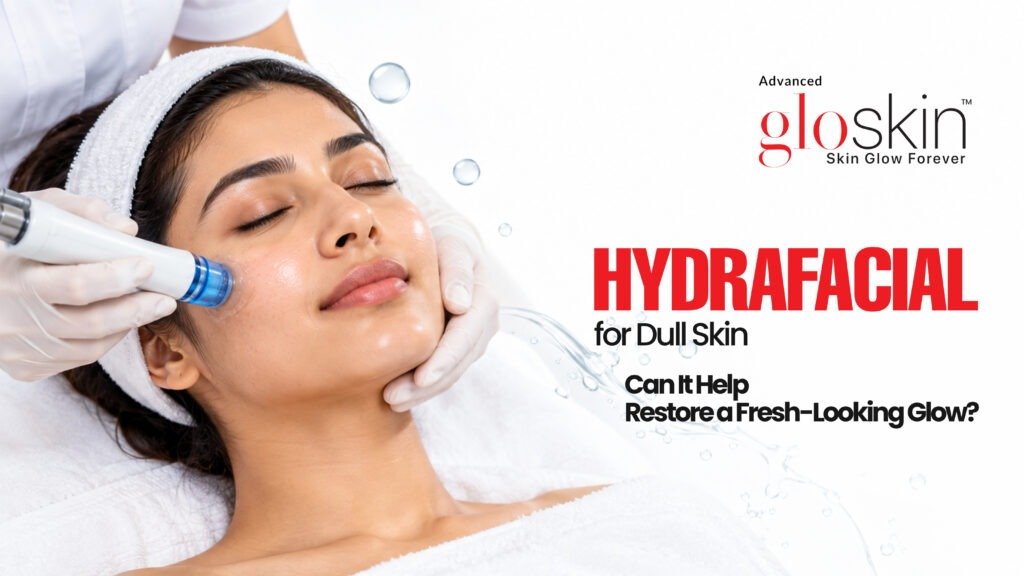
A HydraFacial is a professional skin treatment that combines several skincare steps in one procedure. It usually includes cleansing, exfoliation, gentle extraction and the application of hydrating serums.
Unlike a traditional facial that may rely mainly on manual cleansing, massage or masks, a HydraFacial treatment uses a specialised device to work on the skin’s surface and pores.
The treatment is commonly considered by people looking to improve the appearance of dull skin, dryness, mild pore congestion and uneven skin texture.
However, the treatment plan should still be selected according to your skin type and specific skin concerns.
Why Can Skin Look Dull and Tired?
Dull-looking skin does not usually have one single cause. Several everyday factors can affect how fresh or smooth the skin appears.
Dead Skin Cell Buildup
Skin naturally sheds dead skin cells, but when they remain on the surface, the skin may start looking rough or less radiant. Gentle exfoliation helps remove dead skin and can make the skin surface appear smoother.
Dehydration
When the skin lacks moisture, it may appear dry, tight or tired. A skin hydration treatment may help support a softer and more refreshed appearance, especially when dehydration is contributing to dullness.
Clogged Pores
Oil, dead skin cells and impurities can collect inside pores. This may make the skin appear congested and can sometimes contribute to blackheads or certain forms of acne.
Environmental Exposure
Pollution, dust, heat and sun exposure can affect the skin barrier and contribute to uneven-looking skin tone and texture. Consistent skincare and sun protection remain important even when professional treatments are used.
Uneven Skin Texture
Dry areas, surface buildup and pore congestion can all influence skin texture. A professional treatment may help improve skin texture temporarily by cleansing and hydrating the surface.
How Does a HydraFacial Work?
A HydraFacial works through a combination of cleansing, exfoliation, extraction and serum infusion.
The treatment device gently removes surface debris while helping clear selected pore congestion. Hydrating serums are then applied to support moisture in the skin.
Because several steps are combined into one session, the treatment is often described as a deep cleansing facial with added hydration.
The exact products and treatment settings may vary depending on the clinic, your skin condition and the concerns being addressed.
What Happens During a HydraFacial Treatment?
Although the exact steps can vary, a HydraFacial treatment generally includes four main stages.
Cleansing
The first step removes makeup, oil and surface impurities. This prepares the skin for the rest of the treatment.
Exfoliation
The skin is gently exfoliated to loosen dead skin cells and surface buildup. This can help the skin feel smoother and may improve the appearance of dull skin.
Extraction
The extraction stage focuses on clearing selected pore congestion using controlled suction. It may help people who experience clogged pores or blackheads, although not every type of acne or congestion is suitable for the same approach.
Hydration
Hydrating serum is applied during the final stages of the treatment. These serums may contain moisturising and skin-supporting ingredients designed to hydrate the skin and improve its overall appearance.
This step is one reason HydraFacial is often considered by people looking for HydraFacial for hydration or HydraFacial for glowing skin.
Which Skin Concerns Can HydraFacial Address?
Depending on the person’s skin type and condition, HydraFacial may be considered for concerns such as:
- Dull skin
- Dehydrated skin
- Mild pore congestion
- Blackheads
- Uneven skin texture
- Rough-feeling skin
- Surface buildup
- Mild unevenness in skin tone
Some people with acne-prone skin may also be considered for HydraFacial, but active or inflamed acne needs proper assessment before treatment.
A dermatologist or trained skin professional can determine whether HydraFacial or another skin treatment would be more suitable.
Is HydraFacial Suitable for All Skin Types?
HydraFacial is often described as a treatment that can be adapted for different skin types.
However, that does not mean the same treatment settings are suitable for everyone.
People with sensitive skin, active irritation, severe acne, open wounds or certain ongoing skin conditions may need a modified treatment plan or may be advised to avoid a HydraFacial temporarily.
A skin assessment before treatment can help determine the most appropriate approach.
How Often Can You Get a HydraFacial?
There is no single treatment frequency that works for everyone.
Some people may choose HydraFacial occasionally as part of their professional skincare routine, while others may be advised to have sessions at planned intervals.
How often you should get a HydraFacial depends on factors such as:
- Your skin type
- Current skin condition
- Level of dehydration
- Pore congestion
- Existing skincare routine
- Other treatments you may be undergoing
A professional can recommend a suitable treatment schedule after examining your skin.
What Should You Do After a HydraFacial?
After a HydraFacial, the skin may feel clean and hydrated, but gentle aftercare is still important.
You may be advised to:
- Use a gentle cleanser
- Keep the skin moisturised
- Apply sunscreen regularly
- Avoid harsh scrubs for a short period
- Avoid unnecessarily touching or picking the skin
- Follow any clinic-specific skincare instructions
If your skin feels irritated or develops an unexpected reaction, contact your treating professional for guidance.
HydraFacial vs Regular Facial: What's the Difference?
Hydrafacial | Regular Facial |
Uses a device-assisted approach for cleansing, exfoliation, extraction & hydration. | Usually involves manually cleansing, massage, exfoliation, steam and masks. |
May be more focused on hydration, pore congestion and dull-looking skin. | Often focuses on general cleansing, relaxation and basic skin maintenance. |
Includes controlled extraction and hydrating serum application during the session. | Extraction and serum use may vary depending on the type of facial chosen. |
Can be customised based on skin type and specific skin concerns. | Treatment steps may vary based on the facial package and products used. |
If you are searching for a facial treatment in Chennai, it is useful to choose based on your skin’s needs rather than selecting a treatment only because it is popular.
Conclusion
HydraFacial can be considered by people who are concerned about dullness, dehydration, clogged pores or uneven skin texture. By combining cleansing, exfoliation, extraction and hydration, the treatment aims to refresh the skin while addressing selected surface-level concerns.
If you are considering HydraFacial treatment Chennai, a proper skin assessment can help determine whether HydraFacial is suitable for your skin type or whether another professional facial treatment may be more appropriate.
Good skincare does not depend on one treatment alone. Daily cleansing, moisturising, sun protection and professional guidance all play an important role in maintaining healthier-looking skin over time.
Frequently Asked Questions
What is a HydraFacial used for?
HydraFacial is used for cleansing, exfoliation, mild pore congestion and skin hydration. It may also help improve the appearance of dull or uneven skin texture.
Can HydraFacial help with dull skin?
Yes, it may help improve the appearance of dull skin by removing surface buildup and increasing hydration.
Can HydraFacial help with clogged pores?
The extraction step may help clear selected types of pore congestion and blackheads.
How often should HydraFacial be done?
The ideal frequency depends on your skin type, skin condition and treatment goals. A skin professional can recommend a suitable schedule.
Is there downtime after a HydraFacial?
Many people return to their normal routine soon after treatment, although temporary redness or sensitivity can occur in some skin types.
Book An Appointment