Why Does Dandruff Keep Coming Back? Causes & Solutions
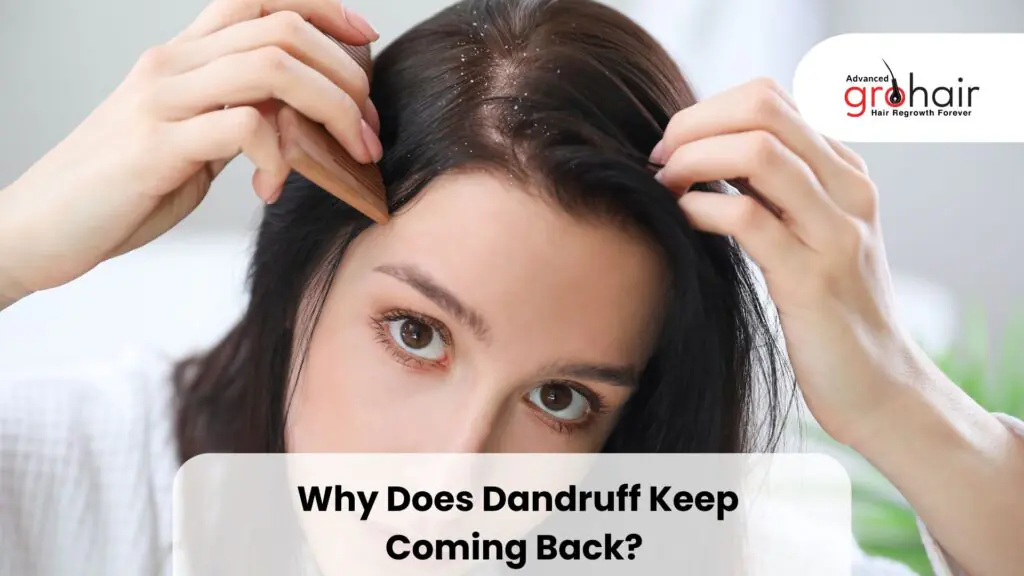
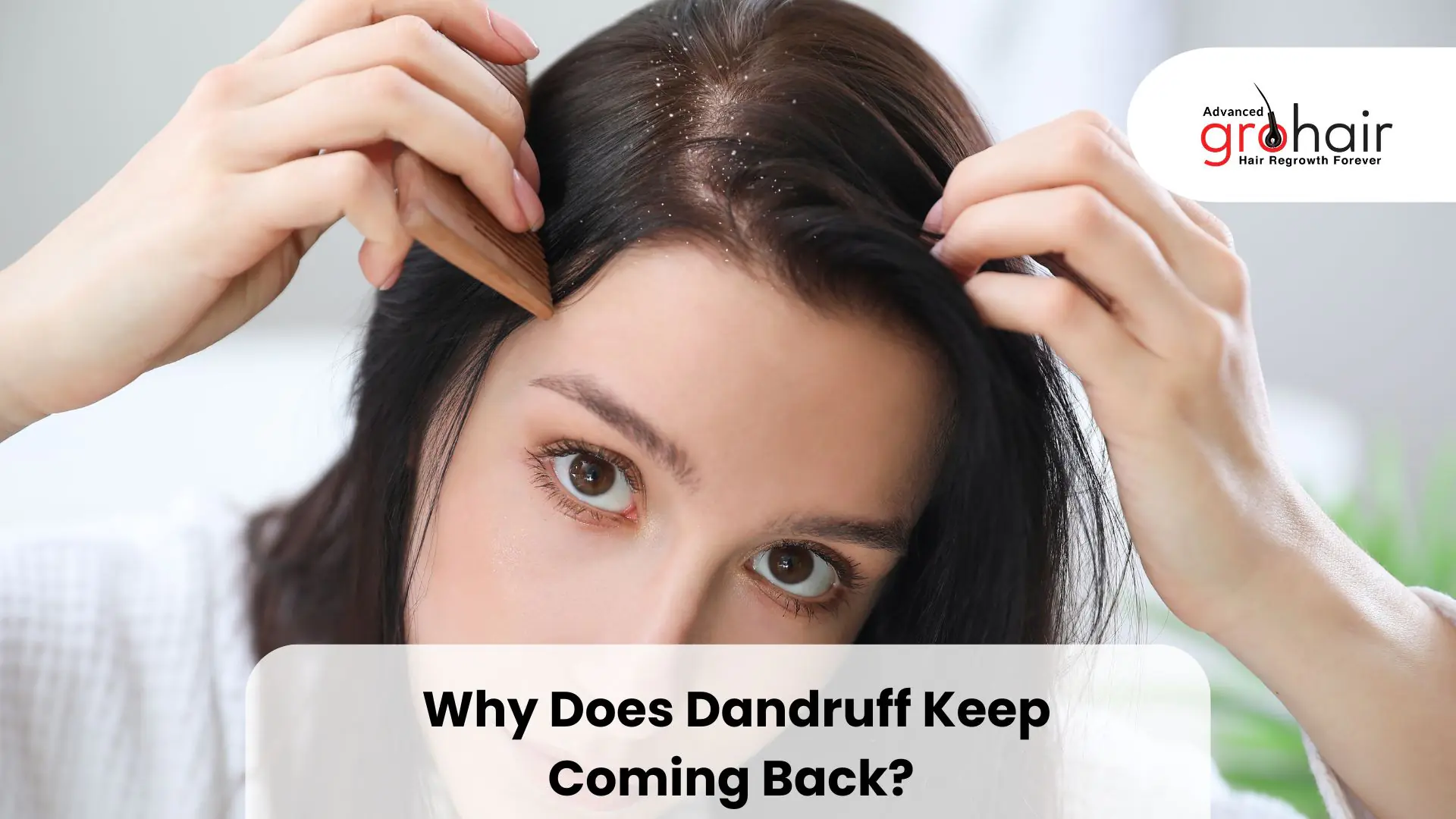
You’ve finally discovered a shampoo that works for flakes. Your scalp is clean for several days. The itching reduces. Then one day, the dandruff reappears.
One of the most frequent complaints with chronic dandruff is irritation. Many people think their shampoo has stopped working when, in fact, dandruff is typically more complex.
Anti-dandruff shampoo will usually be able to help manage symptoms, rather than cure the underlying cause. Even when there isn’t an obvious trigger, stuff such as scalp oil, fungal growth, weather, stress, and even the wrong hair products can initiate an outbreak once more.
What Is Dandruff?
Dandruff is a common scalp condition where the skin on the scalp sheds excess dead skin cells. This causes flakes, itching, and irritation.
A few flakes occasionally are normal. However, if it continues to itch and cause redness on your flaky scalp, you are likely suffering from something more than just dry skin.
One of the main causes of dandruff is Malassezia, a fungus naturally found on the scalp. Malassezia overgrowth affects the scalp environment and stimulates skin cell turnover.
This is the reason dandruff usually presents itself in a white or yellowish form, particularly on an oily scalp.
What causes dandruff to recur?
1. Anti-Dandruff Shampoo Only Controls Symptoms
The majority of anti-dandruff shampoos only temporarily decrease the dandruff and itching.
They aid in regulating scalp fungi but may not be sufficient to cure the underlying cause of dandruff.
That’s why dandruff comes back after you no longer use the shampoo.
2. You May Not Be Using the Shampoo Correctly
There are many people who wash too fast and then rinse right away. To get the best results from medicated shampoo, use it as directed and allow it to work.
Try this instead:
- Dilute the shampoo with water in a 1:2 ratio and apply over the scalp.
- Massage gently
- Leave it on for a few minutes and then rinse.
- Rinse thoroughly
Proper use of the shampoo allows the active ingredients to be effective.
3. Your Scalp Has Become Resistant to One Ingredient
Occasionally, the same formula doesn’t work for the scalp as well over time.
If your dandruff shampoo was effective before but now seems ineffective, try alternating the active ingredients to reset the scalp and improve results.
4. It Might Not Actually Be Dandruff
Not all flaky scalps are due to dandruff.
Conditions like:
- Psoriasis
- Seborrheic dermatitis
- Contact dermatitis
- Dry scalp
can be very alike. It is important to note that the difference between dandruff and these conditions is that each of these conditions will have their own treatment options.
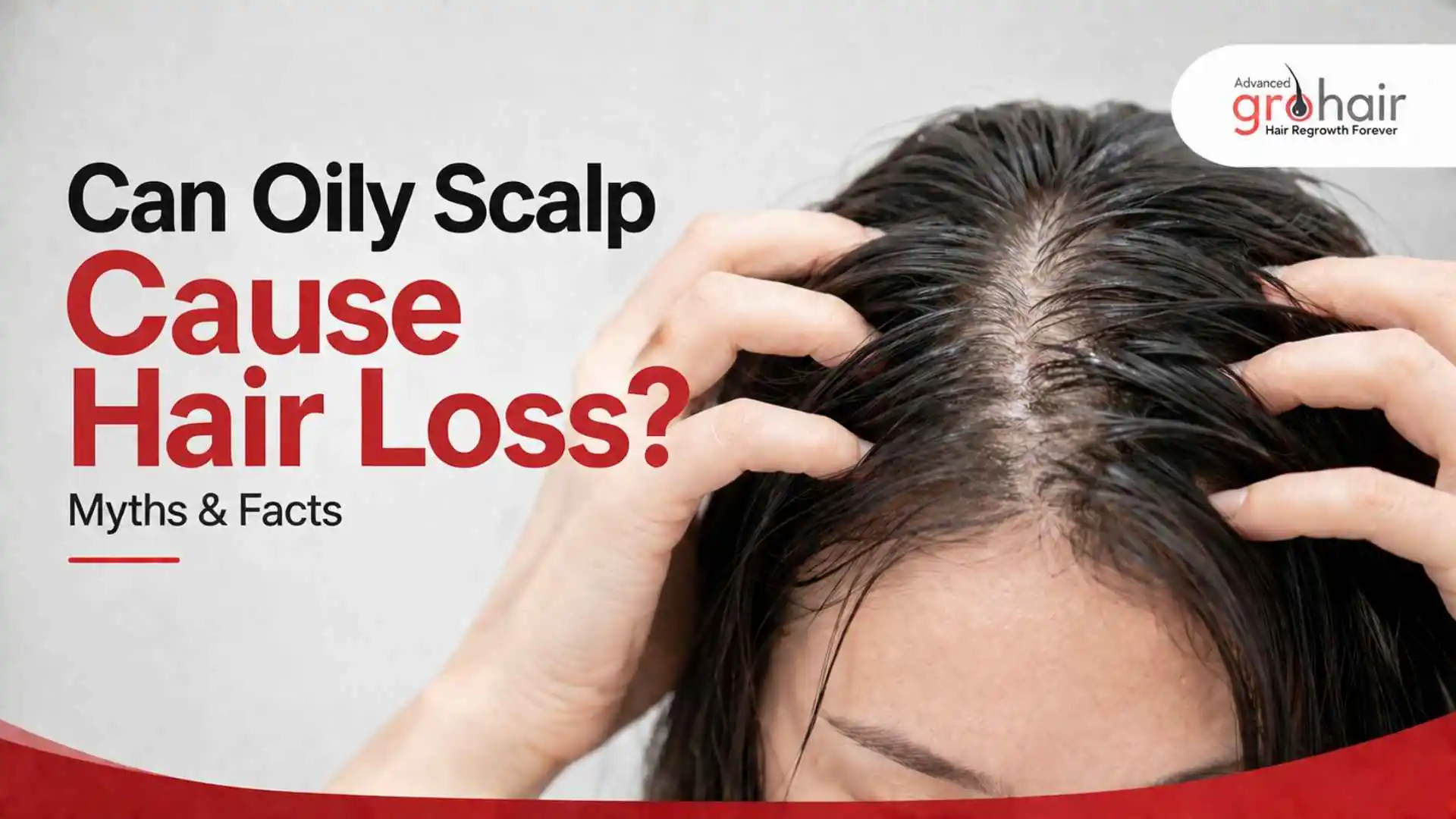
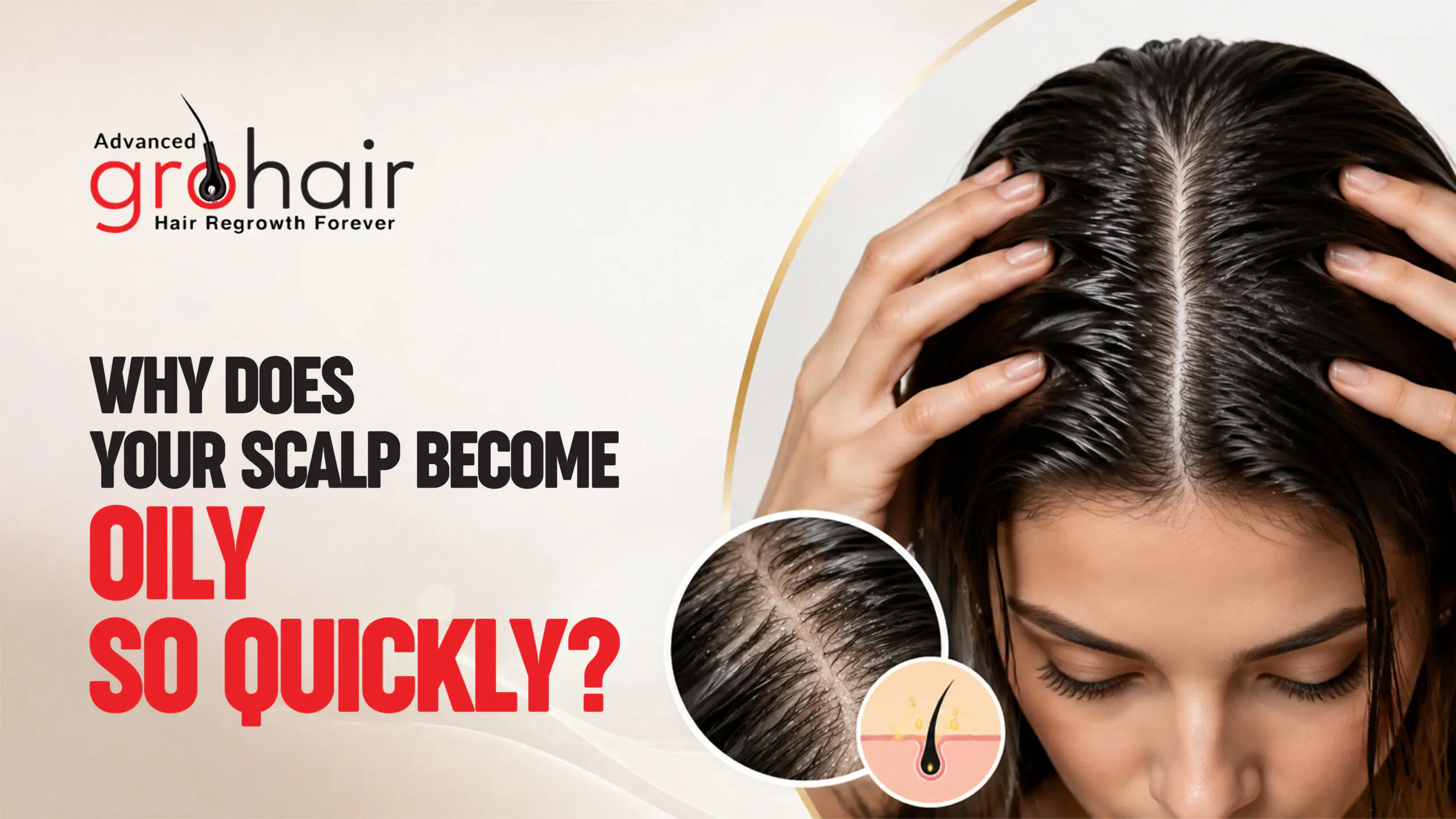
5. Excess Oil Feeds Scalp Yeast
An oily scalp results in excess sebum, which favours the growth of malassezia and other fungal organisms.
This fungal overgrowth may aggravate dandruff, cause itching and lead to inflammation of the scalp.
6. Product Buildup Is Irritating Your Scalp
Heavy products such as dry shampoo, oils and hair styling creams may leave a residue on the scalp.
With time, scalp product build-up can:
- Trap sweat and oil
- Irritate the scalp
- Increase flakes
- Affect hair follicles
Occasionally, using a clarifying shampoo can help to remove buildup from the scalp.
7. Weather and Humidity Trigger Flare-Ups
The scalp environment can be influenced by heat, sweat, humidity and season.
Other people find that dandruff gets worse in the monsoon or summer, as it is during these seasons that the fungus grows in the hair. For some, there are more flakes in the winter because of dry skin and irritation.
8. Stress and Diet Affect Scalp Health
Stress can have numerous impacts on the body, such as on the scalp.
If you’re struggling with dandruff and itching, you might have poor sleeping patterns, eating habits, hormones or weak hair care habits.
It is essential to check if your anti-dandruff shampoo is working well.
If you experience any of these symptoms, it’s possible that your shampoo is not effective.
- Persistent flakes
- Severe itching
- Redness
- Scalp sensitivity
- Increased hair fall
- Constant irritation
If you continue to suffer from dandruff despite treatment, it may be necessary to try a different product or see a dermatologist.
How to Stop Dandruff From Coming Back
Use Anti-Dandruff Shampoo Regularly
When it comes to anti-dandruff products, most require frequent use to keep the benefits. Twice a week is a good maintenance regimen for many individuals.
Withdrawal may result in dandruff coming back.
Rotate Active Ingredients
Various ingredients have different dandruff-attacking abilities.
|
Ingredient |
Best For |
How It Works |
|
Ketoconazole |
Persistent dandruff |
Antifungal action |
|
Salicylic Acid |
Thick flakes |
Removes dead skin cells |
|
Selenium Sulfide |
Oily scalp |
Controls yeast |
|
Zinc Pyrithione |
Mild dandruff |
Reduces flakes |
Changes in ingredients may provide better dandruff control.
Wash Your Scalp Properly
Routine hygiene practices help:
- Gently massage the scalp
- Avoid scratching
- Use lukewarm water
- Rinse properly
- Don’t wash more often than is necessary
Excessive rubbing might aggravate irritation and inflammation of the scalp.
Avoid Heavy Hair Products
Excessive product use can lead to product build-up that exacerbates dandruff symptoms.
Choose:
- Lightweight formulations
- Non-comedogenic scalp products
- The gentle products for hair care.
Maintain a Healthy Scalp Barrier
An unhealthy scalp will not have a habit of flaring over and over again.
Focus on:
- Scalp hydration
- pH-balanced products
- Avoiding harsh sulfates
- Keeping the right hair care regimen is important.
As time goes on, this means that the scalp becomes more balanced, which minimises irritation and flaking.
Can Dandruff Be Cured Permanently?
Dandruff can become chronic and will recur after improvement.
But there is hope: With the right care routine and scalp treatments, dandruff can be effectively treated and long-term controlled.
There are several alternatives to using dandruff shampoos, including the following home remedies for dandruff:
- Coconut oil
- Apple cider vinegar
- Herbal remedies
While they can help for mild cases, if the dandruff is ongoing, it requires correct treatment and consistency.
When to See a Specialist?
If you have noticed any of these, consult your specialist:
- Bleeding scalp
- Severe scaling
- Patchy hair loss
- Painful inflammation
- No improvement after treatment
Your dermatologist can determine if it is dandruff, psoriasis, seborrheic dermatitis, or some other skin problem.
The best ingredients to find in an anti-dandruff shampoo are anti-dandruff agents, anti-inflammatory ingredients, and anti-dandruff oils.
|
Ingredient |
Benefit |
|
Ketoconazole |
Antifungal treatment |
|
Salicylic Acid |
Exfoliates flakes |
|
Selenium Sulfide |
Controls fungal growth |
|
Zinc Pyrithione |
Reduces flakes and itching |
These products are found in many OTC shampoos.
Conclusion
Recurring dandruff is extremely common. In most cases, it happens because the root cause has not been fully addressed.
Things like scalp oil, fungal overgrowth, stress, weather, poor scalp hygiene, and product buildup can all trigger recurring flakes and irritation.
The key is choosing the right anti-dandruff shampoo, following a proper scalp care routine, and staying consistent with treatment.
If symptoms continue coming back even after treatment, it is best to consult a doctor/specialist for a proper evaluation.
Frequently Asked Questions (FAQs)
Why does dandruff return after stopping shampoo?
Most shampoos only control symptoms temporarily. Once treatment stops, fungal growth and scalp imbalance may return.
Can dandruff shampoo lose effectiveness?
Yes. Sometimes the scalp responds better when active ingredients are rotated regularly.
Is dandruff caused by dry scalp?
Not always. Dry scalp and dandruff are different conditions. Dandruff is more commonly linked to excess oil and fungal overgrowth.
How often should I use anti-dandruff shampoo?
Most people benefit from using anti-dandruff shampoo two to three times weekly.
Can dandruff cause hair fall?
Yes. Excess scratching, inflammation, and irritation may contribute to temporary hair fall.
Should I oil my scalp if I have dandruff?
Heavy oils may worsen dandruff in some people, especially those with an oily scalp.
What is the fastest way to control dandruff?
Using the right shampoo consistently, improving scalp hygiene, and following a dermatologist’s advice usually gives the fastest results.
Book An Appointment