Eyebrow Microblading: What You Should Know Before Choosing the Treatment
Consultant Dermatologist
What Is Eyebrow Microblading?
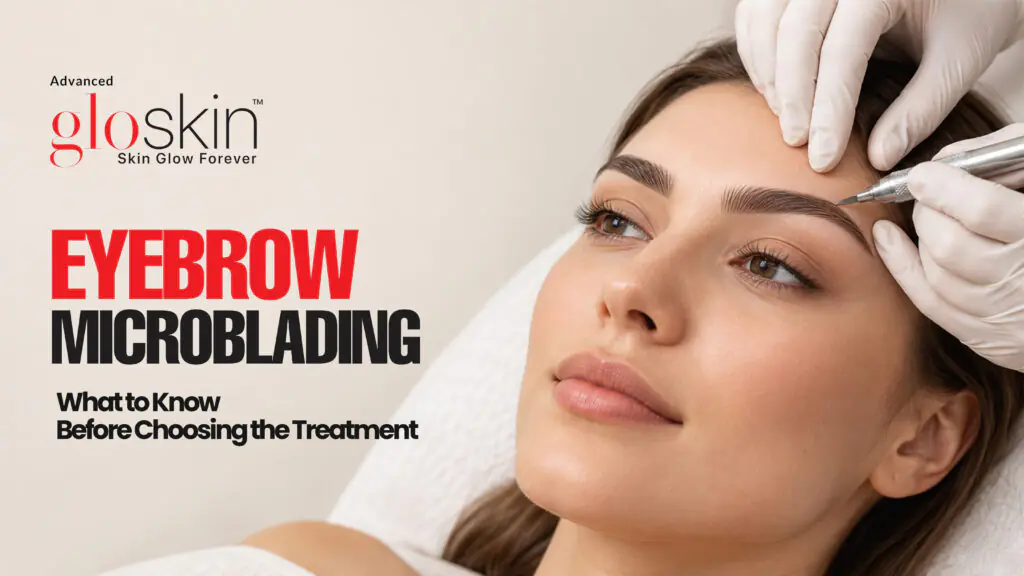
Microblading is a form of semi-permanent makeup designed to enhance the appearance of the eyebrows.
During the procedure, a trained microblading artist uses a specialised handheld tool fitted with tiny needles to place pigment into the superficial layers of the skin. Instead of creating one solid block of colour, the technician creates individual lines that resemble eyebrow hair. These hair-like strokes can help make sparse areas appear fuller, improve definition and create a more structured brow appearance. Microblading is sometimes described as eyebrow tattooing, but it differs from a regular tattoo. Traditional tattooing generally places ink deeper into the skin using a tattoo machine.
Microblading uses a different technique and is intended to gradually fade rather than remain permanently unchanged.
Why Does Hair Become Thin on Eyebrows?
There is no single reason why someone may have sparse eyebrows. The natural density and shape of the brows vary considerably from person to person.
Genetics
Some people naturally have fine, light or widely spaced eyebrow hair. Their natural eyebrow may therefore appear less defined even without any hair loss.
Over-Plucking
Repeated tweezing or eyebrow threading over many years may sometimes leave certain areas looking thinner, particularly if existing eyebrow hair does not grow back evenly.
Age-Related Changes
The appearance and density of hair can gradually change with age. This may also affect the brows.
Uneven Natural Growth
One brow may naturally be slightly different from the other. Small differences in density, arch height and hair direction are common.
People considering a sparse eyebrow treatment should first understand whether the concern is mainly cosmetic or whether there is another reason for noticeable eyebrow thinning.
How Does Microblading Work?
The microblading process usually includes several stages rather than beginning immediately with pigment application.
Brow Assessment
The first step is a consultation. The brow area, existing eyebrow hair, facial proportions and desired appearance are reviewed. Your skin type may also be considered because factors such as oily skin can influence how pigment settles and how quickly it may fade.
Shape Mapping
Before creating any stroke, the proposed eyebrow shape is mapped onto the skin. Measurements may be used to determine where the brow begins, where the arch sits and where the tail should finish. The aim is generally to create a brow shape that suits the person’s facial features rather than applying the same design to everyone.
Pigment Selection
The pigment colour is selected based on the person’s natural eyebrow hair, complexion and desired finish. Choosing an appropriate pigment is particularly important when aiming for natural-looking brows rather than a heavily drawn appearance.
Hair-Stroke Creation
A microblading tool is used to deposit pigment through a series of small, controlled strokes. The direction and placement of each stroke are planned to blend with real eyebrow hairs as much as possible.
Aftercare
Once the microblading session is complete, the clinic provides specific aftercare instructions to support the healing process and reduce unnecessary irritation.
Who May Consider Eyebrow Microblading?
Microblading eyebrows may be considered by people who want a more defined appearance or would like to visually fill gaps within their brows.
It may be considered for:
- Naturally sparse eyebrows
- Uneven brow density
- Minor gaps within the eyebrows
- People who regularly use brow pencils to create fuller brows
- Individuals looking for a semi-permanent eyebrow option
However, microblading is not automatically appropriate for everyone.
Medical history, skin conditions, medications, previous eyebrow pigmentation procedures and skin sensitivity may affect suitability. This is why a proper consultation is important before undergoing microblading treatment.
How Is the Eyebrow Shape Decided?
One of the most important parts of treatment is deciding how the finished brow should look.
A good result should not simply follow the latest eyebrow trend. The natural brow, facial structure, existing eyebrow hair and personal preference all need to be considered.
The practitioner may assess:
- Natural brow direction
- Brow thickness
- Position of the arch
- Distance between both eyebrows
- Existing hair growth
- Facial proportions
The planned outline is generally shown before pigment is applied. This gives the person an opportunity to review the proposed shape before the actual treatment begins.
For someone looking for the best eyebrow microblading option, the planning and consultation stage can be just as important as the procedure itself.
What Should You Expect During the Procedure?
At the beginning of the appointment, the brow design is usually reviewed and finalised.
A topical numbing cream may then be applied to the treatment area. Topical numbing can make the procedure more comfortable, although individual pain tolerance varies. Once the area is prepared, the technician uses a tool with tiny needles to create fine strokes and deposit pigment.
The procedure is performed gradually so that the direction and spacing of the strokes can be adjusted according to the natural brow. Immediately after treatment, the eyebrows may appear darker or more defined than the eventual healed result. Mild redness around the area may also occur temporarily.
During the healing period, the pigment can change in appearance before settling.
What Is the Aftercare for Microblading?
Proper microblading aftercare can influence how well the treated area heals.
Instructions can differ depending on the clinic and individual treatment, so the specific guidance provided by the practitioner should always take priority.
Common aftercare tips may include:
- Keep the brow area clean according to the clinic’s instructions.
- Avoid unnecessary touching or rubbing.
- Do not pick at any flaking or small scab that forms during initial healing.
- Avoid applying unapproved skincare or cosmetic products directly over the area.
- Limit unnecessary sun exposure during healing.
- Protect the treated area as advised.
Allowing the brows to heal naturally is important. Picking at the skin may interfere with pigment retention and the final appearance.
How Is Microblading Different From an Eyebrow Transplant?
Microblading and eyebrow transplantation can both be used to improve the appearance of sparse eyebrows, but they are very different procedures.
Microblading | Eyebrow Transplant |
Creates the appearance of hair using pigment | Transfers actual hair follicles |
Uses fine pigment strokes | Uses surgically transplanted hairs |
Semi-permanent | Intended as a longer-term hair restoration procedure |
Does not create new eyebrow hair | Transplanted follicles can produce real eyebrow hairs |
Pigment gradually fades | Transplanted hair may continue to grow |
Microblading is primarily a cosmetic pigmentation technique. It creates the visual impression of fuller brows but does not increase the number of actual hair follicles.
An eyebrow transplant, on the other hand, is a surgical procedure involving real hair transplantation.
The appropriate option depends on the person’s concerns, expectations and suitability.
How Long Does Microblading Last?
Microblading results are semi-permanent rather than permanent.
In many people, the pigment gradually becomes lighter over time. How quickly it fades can vary according to skin type, lifestyle, pigment characteristics, skincare habits and sun exposure. Some people may notice results lasting around 12 to 18 months, while others may experience earlier or later fading. A touch-up session may sometimes be recommended after the first session or at a later stage to refine the appearance.
It is better to view microblading as a long-lasting cosmetic enhancement rather than a permanent eyebrow treatment.
Conclusion
Eyebrow microblading can help create the appearance of defined brows by adding fine pigment strokes in areas where natural eyebrow hair is sparse or uneven.
However, achieving a natural-looking result involves more than simply adding pigment. The brow design, colour selection, existing hair pattern, skin characteristics and healing response all need to be considered.
If you are exploring eyebrow microblading in Chennai or a professional eyebrow shaping treatment, start with a consultation. Understanding how the procedure works, what the healing period involves and how the results may gradually fade can help you decide whether microblading is appropriate for your needs.
Frequently Asked Questions
What is eyebrow microblading?
Eyebrow microblading is a cosmetic technique that uses fine pigment strokes to create the appearance of natural eyebrow hair.
Is microblading suitable for everyone?
Not always. Suitability depends on skin type, medical history, medications and other individual factors.
How long does eyebrow microblading last?
Microblading is semi-permanent and gradually fades. Results may last around 12 to 18 months, depending on the individual.
What is the difference between microblading and eyebrow transplant?
Microblading uses pigment to mimic eyebrow hairs, while an eyebrow transplant transfers real hair follicles.
What should I avoid after microblading?
Avoid rubbing, scratching or irritating the area, and follow the clinic’s aftercare instructions during healing.
Book An Appointment
Also Read