Does Washing Hair Everyday Cause Hair Loss?
17 Mar, 2026
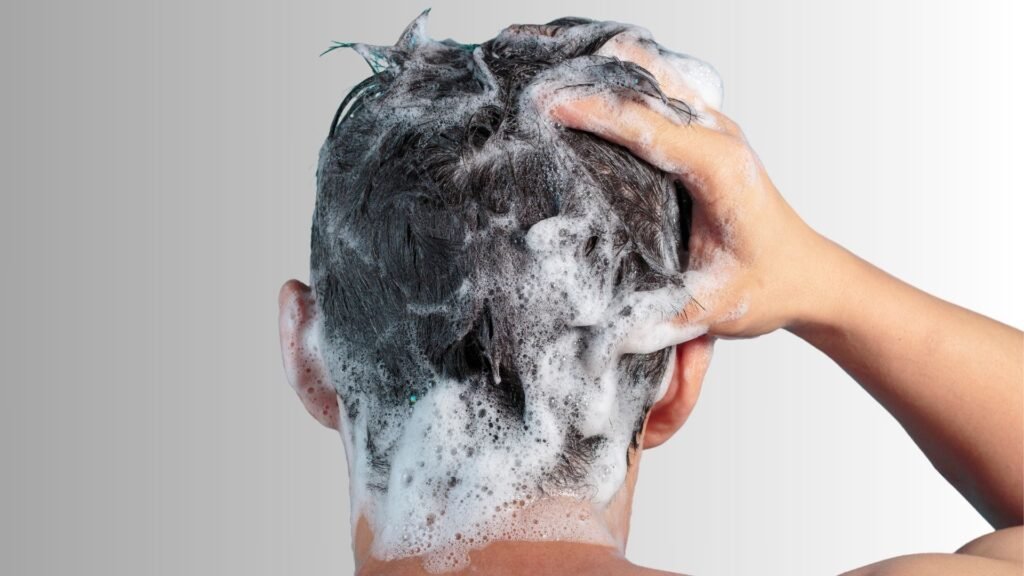
Does washing your hair every day cause hair loss? Not necessarily. While it’s a common fear, daily washing doesn’t cause hair loss on its own—but how you wash and the products you choose matter more than you might think.
If your scalp is oily or your strands feel brittle, it’s easy to blame your shampoo. But before you panic about thinning patches, remember that healthy hair depends on your specific scalp chemistry and washing technique.
In this guide, we’ll bust the myths and help you build a routine that actually nourishes your hair instead of stripping it. Let’s dive into the science behind the “daily wash” debate.
Difference between Hair Loss vs. Hair Shedding
| Feature | Hair Shedding | Hair Loss |
| Scientific Name | Telogen Effluvium (temporary) | Alopecia (various types) |
| What’s Happening? | Hair reaches the end of its natural cycle and falls out. | The follicle is damaged, shrinks, or stops producing hair. |
| The Cause | Stress, illness, hormonal shifts, or seasonal changes. | Genetics (DHT), autoimmune issues, or scalp scarring. |
| Is it Temporary? | Yes. Once the stressor passes, hair grows back normally. | No. Without treatment, it is usually progressive. |
| Visual Signs | Seeing 50–100 strands in the brush or shower drain daily. | A widening part, receding hairline, or visible scalp patches. |
| Regrowth Quality | New hair grows back at the same thickness and speed. | New hair grows back finer (miniaturization) or not at all. |
Daily Washing vs. Hair Loss: Fact vs. Fiction
Does washing hair everyday cause hair loss? The short answer is no. Shampooing doesn’t “pull” hair out from the roots. The real issue isn’t how often you wash, but the method and materials you use.
The Problem: Stripping Your Natural Shield
Your scalp produces sebum, a natural oil that conditions your hair and keeps it resilient. When you over-wash with harsh chemicals or scalding hot water, you strip this protection away. This results in:
Dry, Brittle Strands: Hair loses its elasticity and snaps easily.
Scalp Irritation: Over-cleansing leads to an inflamed, itchy scalp.
Friction Breakage: Constant scrubbing and drying weaken the hair shaft.
The “Three Overs” That Damage Hair
Your follicles aren’t weakened by being clean; they are damaged by:
Over-washing: Using aggressive clarifying shampoos too often.
Over-warming: Using hot water that dehydrates the hair and scalp.
Over-processing: Harsh scrubbing and towel-drying that cause physical trauma.
How Hair Type Affects Washing Frequency
Following generic advice is a common mistake. The answer to “does washing hair every day cause hair loss?” depends entirely on your specific hair profile. Here is how to tailor your routine:
Thin or Fine Hair: This type tends to get oily quickly. You may need to wash more frequently—sometimes daily—to keep it looking fresh. Use lightweight, sulfate-free shampoos to avoid flattening or drying out the strands.
Thick or Coarse Hair: These strands hold onto natural oils longer. Usually, washing every 2–3 days is plenty. These types require deeper hydration, so look for heavy creams and moisturizing formulas.
Curly or Coily Hair: Naturally prone to dryness because scalp oils don’t travel easily down the curls. Washing every 4–7 days is normal here. Consider “co-washing” (using conditioner only) to cleanse without stripping moisture.
Oily Scalp with Dry Ends: This requires a “balanced” approach. Focus on frequent scalp cleansing while heavily conditioning the mid-lengths and ends. Using a clarifying shampoo for the roots and a hydrating one for the rest can work wonders.
The Role of Scalp Health in Hair Loss
Healthy hair starts at the root, and that root lives in your scalp. Your scalp is more than just skin—it is a complex ecosystem of follicles, oil glands, sweat glands, and a microbiome of beneficial bacteria. Every time you wash, you directly influence this delicate balance.
When scalp health takes a wrong turn, here is what typically happens:
Dehydration: Excessive washing dries out the skin, leading to flakes, inflammation, or even mild infections.
Clogged Follicles: Underwashing allows oil, sweat, and product to accumulate. This buildup can clog follicles and suffocate new growth.
Microbiome Imbalance: A disturbed scalp microbiome often leads to dandruff, itching, or seborrheic dermatitis, all of which can increase hair fall.
Think of your scalp like soil; if it isn’t healthy and nourished, nothing will grow well.
Signs of a healthy scalp:
No flakes
No excessive itchiness
Balanced oil levels
Minimal odor or buildup
If you are experiencing constant hair fall alongside an irritated scalp, your washing routine might be overdue for a reset.
Common Washing Mistakes That Can Damage Your Hair
Let’s be honest—most of us were never taught how to wash our hair properly.
But the damage often isn’t in how often you wash, it’s in the small mistakes we make along the way:
> Washing with hot water
Hot water strips the natural oils and weakens the hair shaft. Use lukewarm or cool water instead — especially during your final rinse.
> Scrubbing too hard
Your scalp is not a dirty dish. Fingertips in soft circular motions — not your nails
> Skipping conditioner
Even oily scalps need a lightweight conditioner on the lengths to reduce friction and breakage.
> Not rinsing thoroughly
Leftover shampoo or conditioner can clog follicles and cause irritation.
> Rough towel drying
That aggressive towel wrap we all do? It creates friction and leads to breakage. Instead, blot your hair gently or use a microfiber towel or cotton T-shirt.
> Brushing wet hair harshly
Wet hair is fragile. Always use a wide-tooth comb or a brush made for wet hair, and start detangling from the ends up.
In short: daily washing isn’t the villain—technique is everything.
Signs You Might Be Washing Too Often
Still wondering if you’re overdoing it?
Your hair and scalp are quite good at signaling distress. Here’s what to consider if you’ve been washing your hair daily:
Your hair is continuously dry / rough.
Washing removes natural oils that protect and hydrate your strands. If your hair feels brittle or straw-like, it’s a sign you’re overdoing it.
Breakage and split ends
Washing frequently — particularly without conditioning well — can lead to more delicate hair. You might notice shorter strands around your hairline or more hair in your brush.
Your scalp feels tight or itchy
A tight, itchy scalp usually means it’s dry and inflamed, not clean and healthy. Washing too often with harsh products can disrupt your scalp barrier.
Your hair looks dull and lifeless
That squeaky clean feeling? Not always a good thing. It often means you’ve removed the essential oils that give your hair its natural shine.
More hair fall than usual
If you see an uptick in hair shedding after changing your washing habits, your routine might be the culprit—not the frequency alone, but the way you’re washing.
Bottom line?
Hair every day can lead to imbalances in natural scalp oils, which in turn can trigger dryness, flakiness, and eventually, hair fall. Watch how your hair reacts—and listen to it.
Building a Healthy Hair Routine
Here’s the truth: no two hair routines should look the same.
Your lifestyle, environment, and hair type all play a role.
Want to wash your hair every day without damage? Follow this roadmap:
> Know your hair type
Start here. Thin, oily hair may need more frequent washing. Dry, curly hair? Less is more.
> Choose a suitable shampoo and conditioner
No harsh sulfates, parabens or synthetic fragrances Seek out pH-balanced, mild formulas according to your hair’s needs.
> Protect hair from heat and pollution
If you use heat to style often, get a heat protectant spray. If you live in a highly polluted place, rinse (not shampoo) more frequently.
> Don’t skip scalp care
A clarifying shampoo once a week or a scalp scrub can prevent buildup and rebalance sebum.
> Alternate between washes and rinses
You don’t have to shampoo every day. Some days, just rinse with water or co-wash (conditioner only), especially after workouts.
> Stick to a weekly rhythm
For example:
- Oily scalp: Wash every 1–2 days
- Normal scalp: Every 2–3 days
- Dry scalp: Once or twice a week
A sustainable hair routine isn’t just about frequency. It’s about choosing products and habits that help your hair thrive.
Also Read: Does Wearing a Helmet Cause Hair Loss?
Does Shampoo Really Cause Hair Loss?
Does shampoo cause hair loss? Not exactly, but the wrong shampoo can. While the act of washing is safe, certain ingredients and effects can compromise your hair over time.
How the Wrong Shampoo Affects Your Hair
Harsh Detergents (Sulfates): These strip the scalp and hair of essential moisture. With frequent use, they weaken the hair shaft and irritate follicles.
Heavy Fragrances and Alcohols: These can disrupt the scalp’s microbiome, leading to sensitivity, inflammation, and dryness.
Product Buildup: Some formulas leave residues that block pores. If not rinsed well, this buildup can “smother” follicles and hinder healthy growth.
Allergic Reactions: If your scalp feels itchy, burned, or flaky after washing, you may be reacting to specific chemicals. Chronic inflammation from these reactions is a known trigger for thinning.
What to Look For Instead
If you wash frequently, switch to gentle, scalp-balancing formulas that are:
Sulfate-free: To preserve natural oils and elasticity.
Fragrance-free: To minimize the risk of scalp irritation.
Silicone-free: Especially if you have fine hair, to avoid heavy buildup.
Enriched with Actives: Look for tea tree oil, salicylic acid, or zinc to maintain a clear, healthy environment for growth.
Conclusion
Is washing your hair every day really the problem? The short answer is no. The real issue lies in your technique, the products you use, and whether your hair type actually requires a daily schedule.
While using harsh shampoos or skipping conditioner can cause a daily routine to backfire, washing every day can be perfectly healthy for those with oily scalps, active lifestyles, or high exposure to pollutants.
Ultimately, the goal is balance—keeping the scalp clean without stripping away essential moisture. Daily washing alone won’t cause hair loss, but poor habits can lead to unnecessary damage by working against your hair’s natural growth.
FAQs
Do people with thin or oily hair need to shampoo every day?
Yes—fine, super-oily hair types do better getting washed every day. It helps to keep the scalp free of excess oil and buildup that can clog follicles. Just be sure to avoid harsh shampoos; gentle, light formulas are best.
How often should I wash my hair if I style frequently?
If you tend to use heat tools or heavy styling products though, wash 3–4 times a week. Use a clarifying shampoo weekly and always follow up with a heat protectant before styling.
Is daily shampooing the cause of long-term thinning?
Not directly. But using the wrong shampoo or just poor washing could hurt follicles over time. Avoid overwashing and choose scalp-friendly products if your hair feels dry or fragile.
What’s better: shampooing or just rinsing hair with water?
Depends on your hair type and activity level. On non-wash days, a water rinse or co-wash can refresh your hair without stripping oils. Ideal for dry or curly hair types.
Book An Appointment
Also Read