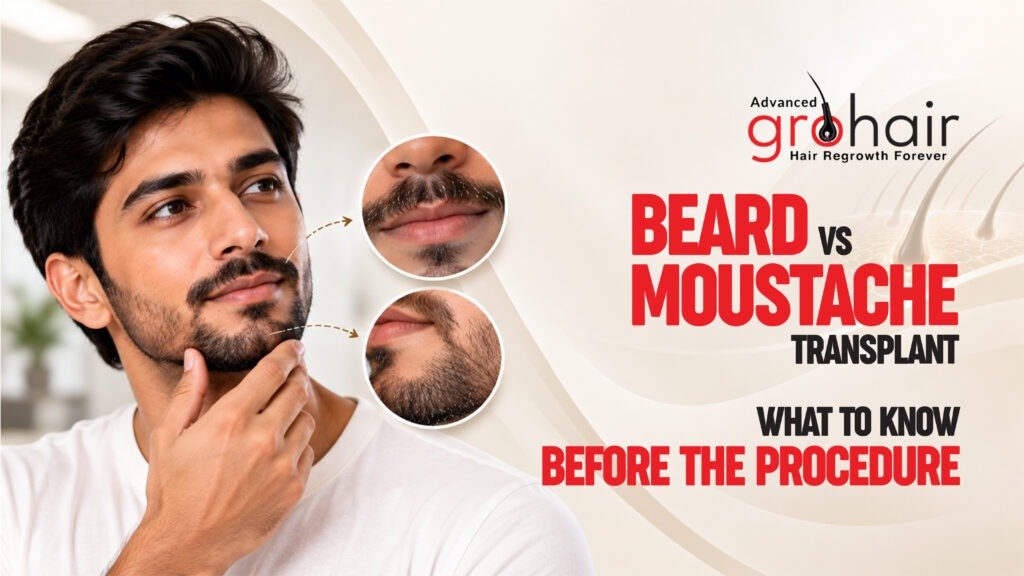
Beard and Moustache Transplant: What to Know Before the Procedure
Consultant Dermatologist
What Is a Beard and Moustache Transplant?
The beard and moustache transplant is an intervention that is aimed at restoring hair growth in areas where it is patchy, sparse, and weak. This treatment involves moving hair follicles from a donor site (the scalp, for example) to a region requiring additional hair.
While there are different temporary solutions available (beard oils, makeup, styling tips), the main principle behind a beard transplant procedure is to create additional hair follicles in places where there is no much hair.
This type of procedure requires careful planning as facial hair does not grow like the scalp hair. The direction, angle, density, and position of the transplant play a key role here.
The result of a carefully planned beard transplant is not just about the additional hair but also about creating a desired shape and density.
Why Do Some Men Have a Patchy Beard?
There is a great variation between the growth of facial hair from one individual to another. While some men will naturally have beards that grow to full length, there may be others whose facial hair will not develop evenly depending on various conditions.
Genetics
The genes determine the thickness, growth and density of a beard. There may be cases whereby some men may naturally have fewer hair follicles in some parts of their beards.
Hormonal Conditions
Facial hair growth is influenced by hormones such as androgens. Variations in the sensitivity of these hormones determine whether the facial hair grows adequately.
Scars
Burns, scars from surgeries or any injury may make it impossible for hair to grow in certain areas of the face. Transplant of facial hair may help in regrowing hair in the scarred areas.
Uneven Facial Hair Growth
Some people develop uneven facial hair growth whereby some areas will have better growth compared to other parts of the face.
Past Injuries
Injuries in the bearded area may lead to loss of hair. Transplants may be considered to introduce follicles to the affected part.
Who May Be a Suitable Candidate?
A beard transplant may be suitable for men who:
- Have naturally sparse or patchy beard growth
- Want to improve beard density or shape
- Have areas affected by scars or injuries
- Have stable donor hair availability
- Are looking for a long-term beard restoration option
Consultation with an expert in hair transplant surgery will aid in finding out whether you are a good candidate for the procedure. The criteria include the condition of donor hair, the shape of your face, and the presence of a beard.
However, there are some people who cannot benefit from beard transplant surgery, as there are other medical conditions involved.
How Does Beard Transplanting Work?
The beard transplant procedure is performed in several stages.
1. Initial Consultation and Beard Evaluation
The first stage of the procedure is the consultation when the patient’s current beard pattern is examined.
Also, during the consultation, the surgeon discusses beard needs in terms of shape, thickness and other issues that are to be addressed.
2. Evaluation of the Donor Area
Hair follicles that have good health are selected in the donor area. Usually, scalp hair is used because it meets all the criteria of beard hairs. Depending on the hair quality and quantity, doctors can decide on how many grafts should be taken.
3. Hair Follicle Extraction
During this stage, hair follicles are extracted from the donor area using a special technique aimed at preserving the follicles’ quality.
4. Hair Follicle Preparations
Each follicle is examined before being implanted. Proper care of follicles guarantees better survival rate.
5. Follicles Implantation into the Beard Area
Grafts are implanted into the beard and moustache area according to the plan of the surgeon. The angle of implantation plays a significant role as hair follicles grow at certain angles in the face.
How Is the Beard Shape Designed?
Beard design is one of the most important parts of a beard hair transplant procedure.
Before implantation, the doctor considers:
- Facial shape
- Existing facial hair pattern
- Desired beard style
- Natural hair direction
- Density requirements
The objective is not only about growing more hair but to ensure that the new beard looks good in combination with the appearance of the individual.
A design that suits the individual ensures that the hair looks natural after transplantation.
What Is Recovery Like After a Beard Transplant?
Recovery after a beard transplant is generally gradual. There could be slight redness, swelling, sensitivity, or little scabs in the treatment area during the early phase of recovery.
Some common post-procedure care instructions may include:
- Avoiding unnecessary touching or rubbing of the treated area
- Following prescribed aftercare guidelines
- Protecting the transplanted area during early healing
- Attending follow-up consultations if advised
Transplanted hair follicles require time to adapt and settle down in their new environment. The duration may vary according to different healing tendencies and also depending upon the amount of hair transplants done.
When Does Transplanted Beard Hair Start Growing?
Following a beard transplant procedure, the transplanted hair goes through a natural cycle.
First of all, there might be a hair fall out of some of the transplanted follicles. However, this should not cause concern as it is a normal process which does not mean that the follicles have died.
Eventually, the hair growth will become apparent as the follicles begin their active growing period. The process usually takes several months.
The hair growth process can be different for each patient.
How Natural Can Beard Transplant Results Look?
The appearance of results depends on several factors, including:
- Quality of donor hair
- Skill and experience of the hair transplant surgeon
- Graft placement technique
- Beard design planning
- Individual healing response
However, when done correctly, the grafting process will allow for a normal growth of hair, which may be trimmed or styled to suit one’s needs.
Beard restoration treatment emphasizes balance, appropriate density, and the natural pattern of the beard instead of making it look artificial.
Conclusion
Beard and moustache transplantation are the ways to solve the issue of uneven hair growth on the face or lack thereof in the beard area. Being aware of the procedure, its possibility, and the period required for recovery after it will definitely help to make the right choice.
It is always a good idea to contact a professional hair transplantation surgeon.
Frequently Asked Questions
What is a beard and moustache transplant?
A beard and moustache transplant is a hair restoration procedure where healthy hair follicles are transferred from a donor area to areas with insufficient facial hair growth. It helps improve beard density, shape, and coverage.
Is a beard transplant successful and are the results permanent?
A beard transplant can provide long-term results because transplanted follicles are designed to continue growing hair. The outcome depends on factors such as donor hair quality, procedure technique, and individual healing.
How many hair grafts are typically needed for a beard or moustache transplant?
The number of grafts required depends on the existing beard pattern, desired density, and the size of the treatment area. A doctor can estimate the requirement after evaluating the beard region.
What is the recovery process and timeline after a beard transplant?
Recovery involves a short healing period where mild redness or swelling may occur. Hair growth develops gradually, and visible improvement usually takes several months as the transplanted hair follicles grow.
What should I expect before and after a beard transplant?
Before the procedure, the doctor assesses facial hair growth, donor availability, and beard design preferences. After the procedure, following proper care instructions and allowing time for hair growth are important for achieving natural-looking results.
Book An Appointment