Why Does Your Scalp Become Oily So Quickly?
Consultant Dermatologist
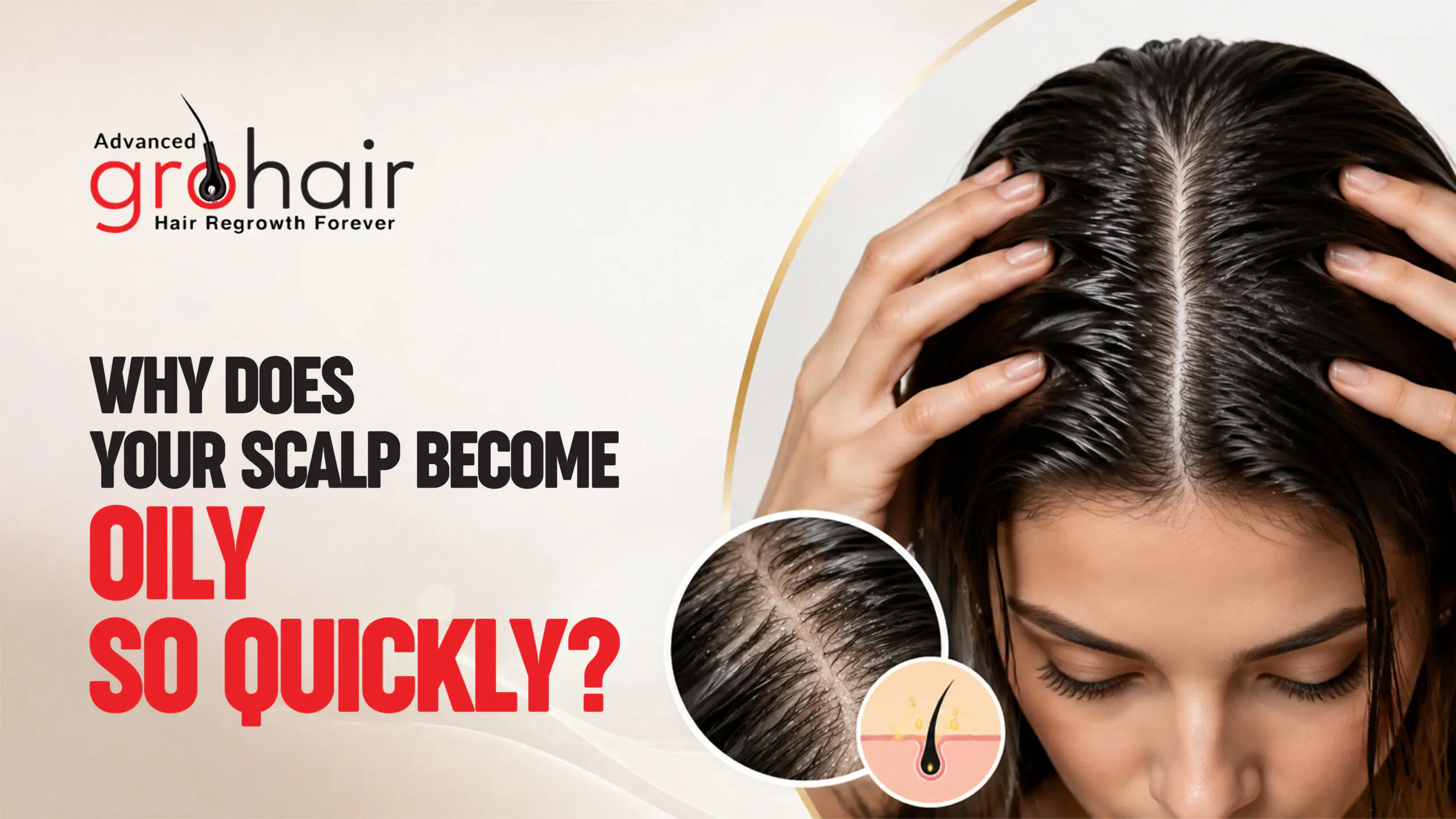
Have you ever washed your hair, and felt fresh, only to notice oily roots again after just a day or two? You’re not alone. A lot of people deal with an oily scalp, especially when their hair loses volume fast, or when it starts looking greasy pretty much right after shampooing.
A tiny bit of oil on the scalp is actually a good thing. Your scalp naturally makes sebum, it helps protect the skin and also keeps your hair from drying out. The trouble starts when there is too much sebum, or when that oil mixes with sweat, dead skin flakes, and leftover product residue.
The reason for an oily scalp is not exactly the same for everyone. Some people have naturally more active oil glands. Others might be dealing with things like hormones, weather, day to day routines, or even hair care habits that set it off.
If you can figure out what is causing the oiliness, you can pick a more fitting solution, rather than grabbing random products and hoping for the best.
This may contribute to increased hair shedding, inflammation, dandruff, and clogged follicles, all of which can affect overall hair health.
Understanding the cause of your symptoms is important because the right treatment plan depends on the underlying condition rather than the oiliness itself.
What Causes an Oily Scalp?
An oily scalp tends to show up when the scalp is making more oil than it actually needs, or when that oil just isn’t getting lifted away properly.
1. Excess Sebum Production
Sebum is the natural oil made by sebaceous glands, which sit near the hair follicles. it helps a lot with keeping your scalp guarded and it helps moisture stay put.
Still, some people seem to produce more sebum than others , just naturally. when extra oil piles up around the roots, the hair might start looking greasy, kind of flat , or like it was not washed, even if it was.
This is one of the most common reasons for an oily scalp. People with fine hair often notice oiliness sooner, since the sebum spreads along the hair strands pretty quickly.
2. Hormonal Influences
Hormones can nudge how much oil your scalp makes.
During certain phases, shifts in hormone levels may ramp up the sebaceous glands. Then the scalp feels oilier than normal.
Some people notice these few changes during:
- Puberty
- Stress periods
- Hormonal ups and downs
- Lifestyle shifts
But, having an oily scalp does not automatically mean a hormonal imbalance. If the change arrives suddenly, or if it comes with other signs, getting professional advice could be a smart move.
3. Scalp Buildup
Sometimes it is not only excess oil, but also what that oil mixes with once it’s on your scalp.
Oil can combine with:
- Dead skin cells
- Sweat
- Hair products
- Pollution particles
As a result, scalp buildup can form, and the roots may feel tacky or heavy. Even after washing, residue can linger near the scalp, so the hair still looks greasy.
4. Environmental Factors
Your surroundings may also change how fast your scalp turns oily. Hot weather, humidity, sweating after exercise , and even wearing a regular helmet can make oiliness more obvious.
People in muggy places often feel their hair gets greasy sooner because sweat and oil gather more easily, and fairly quickly, on the scalp.
How Does Sebum Affect Hair and Scalp Health?
Sebum is a natural part of scalp health. It helps protect the skin and maintain moisture. The concern is basically when oil production gets too much, or when it combines with other scalp problems, like that greasy irritation vibe too.
Greasy Hair
The most usual grumble about an oily scalp is greasy hair. When the oil shifts from the scalp onto the hair strands, the roots can start losing that fresh look and feel. Hair might appear flat, it can stick together, and suddenly it becomes kinda hard to style.
This doesn’t always mean your hair is unwell. It just suggests that your scalp is making more oil than your hair can comfortably cope with.
Scalp Buildup
Excess oil can trap product residue and dead skin cells, creating buildup over time.
A scalp with buildup may feel:
- Heavy
- Sticky
- Uncomfortable
- Difficult to clean
A proper cleansing routine can help remove this buildup and keep the scalp somewhat balanced, like, day by day. It’s basically to keep things from gunking up and to maintain equilibrium, so your roots don’t feel heavy or dull.
Scalp Discomfort
Some people who have a oily scalp may also notice itching, flakes, or little bits of irritation that won’t seem to calm down.
If the itchy scalp comes together with too much oil, that sometimes points toward things like dandruff, or seborrheic dermatitis.
In that situation, switching shampoo alone might not do the job. The actual scalp condition might require attention, even if the hair looks fine at first.
Can an Oily Scalp Cause Hair Problems?
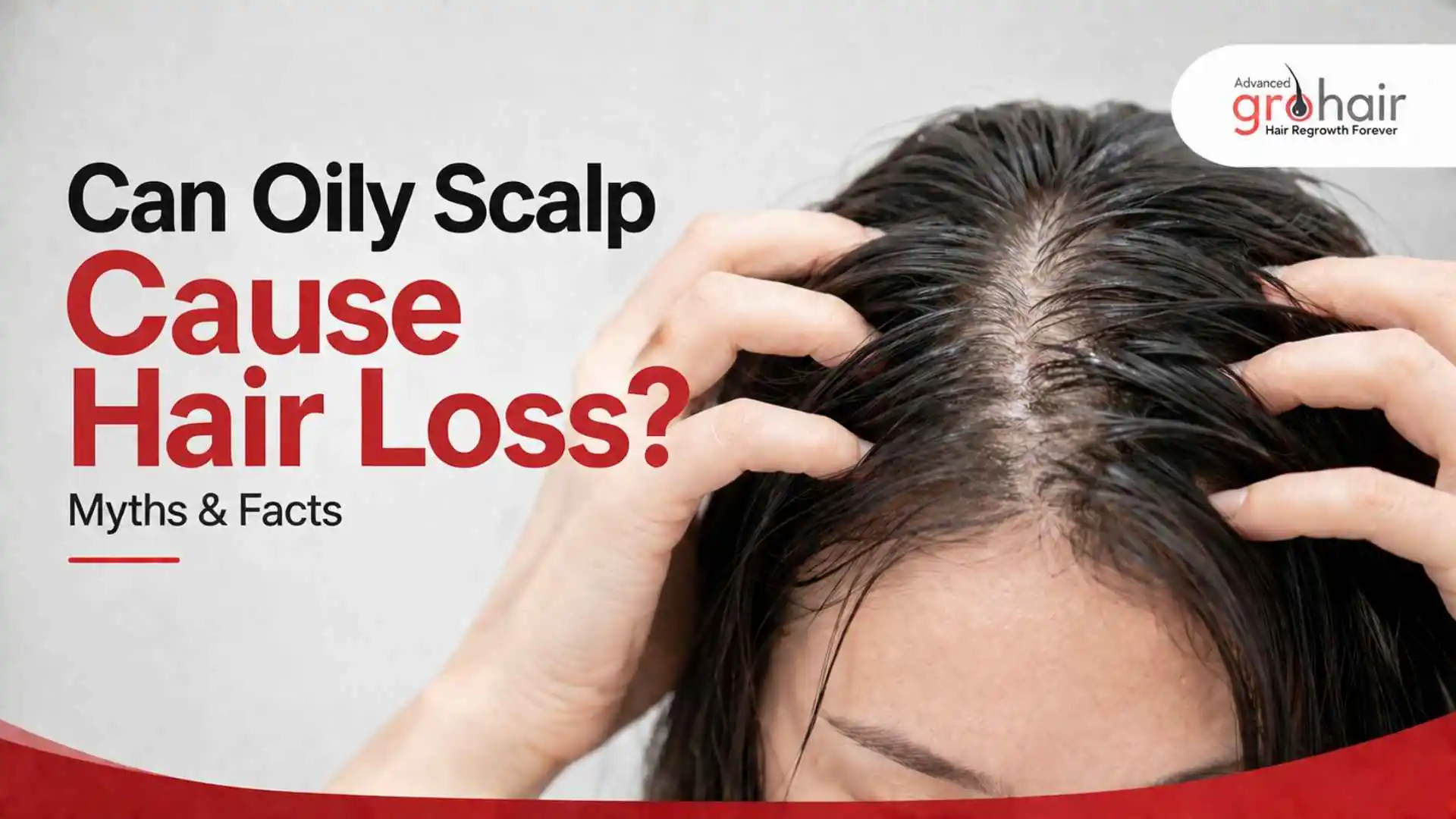
People with greasy roots often ask “Can an oily scalp cause hair loss?”
And the truth is a little mixed. It’s not always the case.
An oily scalp by itself does not directly cause hair loss. Sebum is a normal substance made by your scalp. Still, when too much oil is there, and it mixes with scalp buildup, inflammation or other scalp issues, then it can start to affect how healthy your scalp feels.
Like, persistent buildup might create a sort of uncomfortable atmosphere on the scalp and may lead to problems such as irritation or maybe even more shedding.
If you notice any of these things:
- Sudden hair shedding
- Thinning spots
- Changes in hair density
- Persistent scalp irritation
it is better to find the actual cause rather than assuming oiliness is the reason.
Does Washing Your Hair Too Often Make the Scalp Oily?
A lot of folks stay away from frequent washing, because they think it will make the scalp start producing even more oil. Yet honestly, the “right” schedule is not the same for everyone, since scalp type really matters.
If you have an oily scalp, you may end up needing to wash a bit more frequently than someone with a drier scalp. The whole point is to lift extra oil, without overdoing it or causing irritation.
Also, if you use a strong shampoo, or you scrub too aggressively, the scalp’s natural balance can get thrown off. Then you might notice more greasiness or discomfort, even if you were trying to help.
When you wash your hair:
– Pick a shampoo that actually matches your scalp
– Clean the scalp properly, don’t just focus on the ends
– Try to avoid rough scrubbing, be gentle with your fingers
– Rinse thoroughly, make sure nothing is left behind
In most cases your scalp will kinda “signal” when it needs cleansing, so pay attention and adjust slowly.
Common Hair Care Mistakes That Increase Scalp Oil
Sometimes, everyday hair habits can make oily scalp problems worse.
1. Using Unsuitable Products
A product that works well for dry hair may not suit an oily scalp.
Heavy shampoos, rich conditioners, and thick styling products can leave residue near the roots, making the scalp appear greasy faster.
Choose products based on your scalp condition rather than only your hair texture.
2. Applying Heavy Products to the Scalp
Many people apply oils, masks, and serums directly to the scalp without considering their scalp type.
If your scalp already produces enough oil, adding more products over the scalp may increase heaviness and buildup.
For oily scalp, these products are usually better applied to the hair lengths.
3. Overusing Dry Shampoo
Dry shampoo can be helpful when you need a quick solution between washes.
However, it only absorbs oil temporarily. It does not remove sweat, dead skin, or product residue.
Using dry shampoo too frequently without proper cleansing may contribute to buildup.
4. Inadequate Scalp Cleansing
Sometimes, people focus only on washing their hair and forget that oil comes from the scalp.
When shampooing, gently massage the scalp area where oil collects. Proper rinsing is equally important because leftover product can make the hair feel heavy.
How Can You Manage an Oily Scalp?
Managing an oily scalp is about finding a routine that works for your scalp.
Use the Right Shampoo
Choose a shampoo that cleans excess oil without making your scalp feel dry or irritated.
If you also have dandruff or persistent scalp concerns, a specialist may suggest a suitable scalp treatment.
Wash According to Your Scalp Needs
There is no fixed rule that works for everyone.
Some people need frequent washing, while others do well with fewer washes. Your lifestyle, hair type, and oil production should guide your routine.
Avoid Heavy Products
Avoid applying thick oils, creams, or styling products directly on the scalp if they make your roots greasy.
Maintain Scalp Hygiene
Clean brushes, pillow covers, and hair accessories regularly because they can collect oil and product residue.
Be Careful With Home Remedies
Many home remedies are promoted for oily scalp problems, but not all are suitable for everyone. Some ingredients can irritate the scalp. A simple and consistent hair care routine is usually a better approach.
When Should You Consult a Hair Specialist?
An oily scalp is common and often manageable. However, professional guidance may be needed if the problem continues.
Consult a hair specialist if you experience:
- Persistent oily scalp despite proper washing
- Severe dandruff
- Continuous itching
- Redness or irritation
- Increased hair shedding
- Sudden changes in scalp condition
A specialist can examine your scalp and understand whether the issue is related to excess oil, buildup, inflammation, or another condition.
Professional Evaluation for Persistent Scalp Problems
If your scalp continues becoming oily despite improving your hair care habits, a professional evaluation can help.
A hair specialist may assess:
- Scalp health
- Oil production
- Hair shedding pattern
- Current products
- Signs of dandruff or inflammation
Based on the findings, suitable oily scalp treatment, oily hair treatment, or scalp care recommendations can be suggested.
Treating the underlying cause is usually more effective than repeatedly changing shampoos.
Conclusion
An oily scalp is a pretty common concern and most of the time it can be managed, with the right care routine . It helps to figure out what is driving the extra oil, like your natural scalp type, lifestyle factors, the products you use, or even buildup. When you understand the source, you can make better decisions for your hair, instead of juggling multiple fixes at once. Try keeping it simple: use suitable products, keep scalp hygiene steady, and also avoid unnecessary buildup. If the oiliness keeps going along with itching, dandruff, irritation, or more hair shedding, it might be wise to talk with a hair specialist so they can locate the real reason and recommend the right course of action.
Frequently Asked Questions
Why does my scalp get oily so quickly?
An oily scalp can happen due to excess sebum production, hormonal changes, genetics, weather conditions, sweating, or unsuitable hair care products.
Is an oily scalp bad for hair?
An oily scalp is not always harmful. Natural oil protects your scalp. However, excessive oil and buildup may cause discomfort and affect scalp health.
How often should I wash an oily scalp?
The frequency depends on your scalp condition, hair type, lifestyle, and oil production. People with oily roots may need more frequent washing.
Can an oily scalp cause hair loss?
An oily scalp alone does not directly cause hair loss. However, scalp problems associated with excess oil may contribute to an unhealthy scalp environment.
Should I use oil on an oily scalp?
Not everyone with an oily scalp needs additional oil. Adding more oil may increase heaviness and buildup in some cases.
Book An Appointment