Hair Transplant Failure: Causes, Signs, and What to Do About It
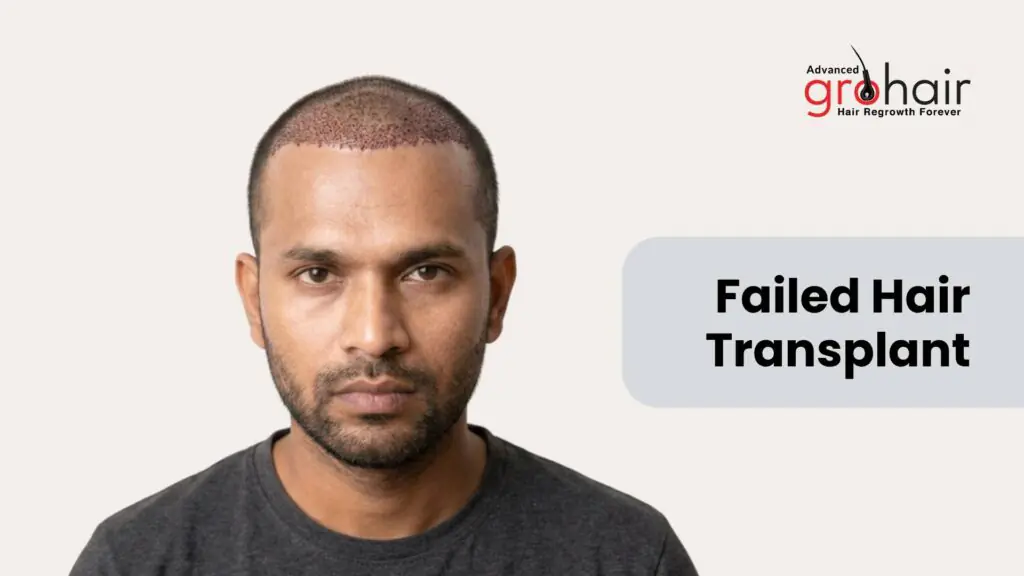
Choosing to undergo hair restoration surgery is a massive deal. It’s a decision usually driven by a desire to get your confidence back. But let’s be honest, hearing stories about a hair transplant gone wrong can be flat-out terrifying.
Look at the data, and you’ll see the overall success rate of hair transplants is incredibly high. Even so, a failed hair transplant isn’t a myth; it happens to a small percentage of people.
If you’re currently weighing your options or staring in the mirror worrying about your recent recovery, you need to know what separates a successful hair transplant from an unsuccessful hair transplant.
What percentage of hair transplants fail?
Globally, the failure rate of hair transplantation sits at less than 5% to 10%. A true hair transplant failure means the transplanted hair follicles simply died. The result? Poor hair density, an unnatural hair look, or a complete failure to sprout any new hair growth after a full 12 months.
The main reasons usually come down to choosing the wrong hair transplant clinic, having insufficient donor hair, or dropping the ball on post-op transplant care.
Whether you’re still researching the hair transplant surgery or panicking that your recent transplant failed, this guide cuts through the noise.
We’ll break down the real reasons why hair transplants fail, what the actual signs of failed hair transplant recovery look like, and how to fix a botched hair transplant.
Normal Shedding vs. Hair Transplant Failure
The weeks following a hair transplant operation can be an absolute psychological rollercoaster. Your new hair starts falling out, and panic sets in.
But before you spiral, you have to understand the difference between a total failure of the procedure and a completely normal biological reaction called shock loss (telogen effluvium).
1. Understanding Shock Loss
When your transplanted hair falls out around 2 to 6 weeks post-op, don’t panic. This is exactly what is supposed to happen.
It’s just a standard pitstop in the natural hair growth cycle. It does not mean your hair transplant fails.
2. The Biology of Recovery
Here is what’s happening under the skin: during shock loss, the actual hair follicles are perfectly fine. They are alive, healthy, and securely anchored under your scalp.
They are just resting. Give it 3 to 4 months, and you’ll start seeing actual new hair growth pushing through.
3. Defining True Failure
So, what is actual failure? It’s when that newly transplanted hair sheds and then absolutely nothing happens. If you hit the 6 to 12-month mark and see zero signs of active hair growth, the grafts didn’t make it.
In these specific hair transplant cases, the graft survival rate plummeted because the tissue didn’t successfully take root in its new home.
When to Contact Clinic
Instead of losing sleep over normal shedding, use these concrete signs as your cue to call your doctor:
- Redness or swelling that keeps getting worse after the 3-week mark.
- Pristine signs of infection, like small pimples, oozing, or a burning sensation around the donor area.
- Severe pain that your prescribed meds aren’t touching.
Top Causes of Hair Transplant Failure
Let’s look at the top 5 reasons and general causes of hair transplant failure that compromise a good hair transplant outcome. If even one of these elements goes wrong, the possibility of failure shoots straight up.
1. Inexperienced Surgeons
Choosing a budget hair transplant clinic without checking their hair restoration expertise is risky. It’s a massive gamble. Inexperienced or unsupervised technicians frequently use poor extraction techniques that permanently ruin the donor area.
To make matters worse, placing grafts too deep into the scalp cuts off their vital blood supply, which completely damages the transplant results.
2. Poor Graft Handling
The minutes between extraction and implantation are absolutely critical for the graft survival rate.
If delicate follicles are left outside the body too long during the hair transplant operation, they simply cannot survive. They end up dying before implantation, guaranteeing a failed transplant.
3. Bad Candidate Selection
Not every patient is an ideal candidate for a hair transplant. If surgery is performed while aggressive hair loss or unpredictable thinning continues, the results may appear sparse and unnatural over time.
Limited donor hair also reduces success because there may not be enough grafts to cover balding areas effectively.
In addition, factors like the patient’s age and hair type require carefully selected transplantation and restoration techniques to prevent damage to hair roots during extraction and achieve natural-looking, long-lasting results.
4. Post-Operative Negligence
You can have the best surgeon in the world, but a major reason hair transplants fail is the failure to follow post-operative instructions.
Those first 14 days require extreme discipline. Poor transplant care during early transplant recovery—like rubbing the scalp, scratching at scabs, or skipping your specialized washing routines—leads to localized infections and poor blood flow, which easily kills off the newly placed grafts.
5. Biological Factors
Every now and then, the issue is completely internal. On rare occasions, underlying autoimmune conditions can lead to rejected hair implants.
This directly affects the overall success rate of hair surgeries, causing the transplant to fail completely despite flawless surgical execution by the medical team.
Warning Signs of a Failed Hair Transplant
Catching a problem early can change your options down the road. Keep an eye out for these explicit red flags as you cross different milestones:
Timeline | Normal Recovery | Warning Signs of a Failed Hair Restoration |
Months 1-3 | Newly transplanted hair sheds (Shock Loss). | Severe, persistent redness, infections, or extreme scarring in the donor area. |
Months 4-6 | Fine, baby-like hair growth begins. | Completely bare scalp; zero visible signs of new transplanted hair sprouting. |
Months 9-12 | Noticeable increase in overall hair density. | Patchy growth, severely depleted donor hair, or misaligned, unnatural hair lines. |
The Reality: If your transplant reaches the 12-month mark and looks extremely sparse, these are clear signs of failed hair transplant procedures.
How to Prevent Hair Transplant Failure: What Patients Can Control
While you cannot control your internal genetics, you have immense control over whether you get a successful hair outcome or a complete flop.
To actively prevent hair transplant failure, focus heavily on these steps:
1. Surgeon Selection
Choose a board-certified surgeon. Verify their actual medical credentials—not just their before/after photos—to guarantee a successful hair transplant.
Avoid clinics offering all-inclusive deals that don’t include an actual surgeon consultation for your hair restoration surgery. If a real doctor doesn’t evaluate your scalp personally, walk away.
2. Full Medical Disclosure
You must inform your surgeon of all medications, underlying conditions, and habits. Honesty is critical in all hair transplant cases.
Hiding a health condition or a supplement routine can completely sabotage your graft survival rates without you realizing it.
3. Lifestyle Changes
Stop smoking at least 2 weeks before surgery and throughout the entire recovery period to ensure the best hair transplant results, as nicotine chokes blood flow to new grafts.
Your newly placed follicles need oxygenated blood to take root; starving them of it is a fast track to failure.
4. Strict Aftercare
Follow your post-op care meticulously. The surgeon’s washing and sleeping protocol is non-negotiable if you want to prevent hair transplant failure.
Those first 14 days require absolute discipline—no shortcuts, no skipping steps.
5. Expectation Management
Set realistic expectations with your surgeon regarding density and coverage to ensure you are happy with your successful hair restoration.
A hair transplant relocates hair; it doesn’t magically create brand-new donor reserves out of thin air.
6. Medical Therapy
Consider starting hair loss stabilisation medication (like Finasteride or Minoxidil) before and after surgery to avoid hair transplant failure caused by continued native hair loss.
This makes sure your surrounding native hair doesn’t vanish while your new hair grows in.
What to do If Your Hair Transplant Fails
If you’re looking at the mirror thinking your procedure didn’t work out, take a deep breath.
You aren’t completely stuck. Here is how you should strategically handle the situation:
1. Evaluate the Damage
If your hair transplant fails, do not panic. Wait a full 12 to 14 months to confirm the final hair transplant result.
The scalp takes an entire year to fully heal, settle down, and show what it’s actually capable of growing. Making a premature judgment call will only cause unnecessary stress.
2. The Second Chance
In many hair transplant cases, you can undergo a second hair transplant (or second transplant).
As long as you have enough viable donor hair, a skilled surgeon can perform a corrective hair transplant procedure to fix bad hairlines and add density.
A true specialist can often clean up poor placement or bad graft angles from a previous clinic.
3. Alternative Therapies
If a second hair transplant isn’t viable, alternative hair restoration options like Scalp Micropigmentation (SMP) or medical therapies can effectively camouflage the sparse areas.
SMP works exceptionally well by using medical-grade tattooing to mimic natural hair follicles, making it easy to hide patchy recipient areas or a scarred donor site.
Conclusion
While the possibility of failure is a reality with any surgery, knowing exactly why hair transplants fail gives you a massive advantage before you ever sit in the chair.
True hair transplant success isn’t a roll of the dice. It comes down to vetting your clinic ruthlessly, being honest about your health, and treating your recovery with respect.
By choosing a doctor with real hair restoration expertise and nailing the aftercare, you give yourself the highest possible hair transplant success rates and a lifetime of natural-looking hair.
Frequently Asked Questions (FAQs)
How do I know if my hair transplant has failed?
A hair transplant may be considered unsuccessful if there is little to no visible hair growth after 9 to 12 months, along with patchy density, unnatural hairlines, or excessive scarring.
Is shedding after a hair transplant normal?
Yes, shedding within the first few weeks after surgery is completely normal and is known as shock loss. The transplanted follicles remain healthy beneath the scalp and usually begin growing new hair within a few months.
What are the most common causes of hair transplant failure?
The most common causes include inexperienced surgeons, poor graft handling, inadequate aftercare, unstable hair loss patterns, and low donor hair availability.
Can a failed hair transplant be corrected?
Yes, many failed hair transplants can be improved with corrective procedures, including a second transplant, hairline redesign, density enhancement, or scalp micropigmentation.
How can I improve my chances of a successful hair transplant?
Choosing an experienced surgeon, following aftercare instructions carefully, avoiding smoking, and maintaining realistic expectations can significantly improve transplant success rates.
Book An Appointment