Home Remedies for Alopecia Areata - Natural Treatments
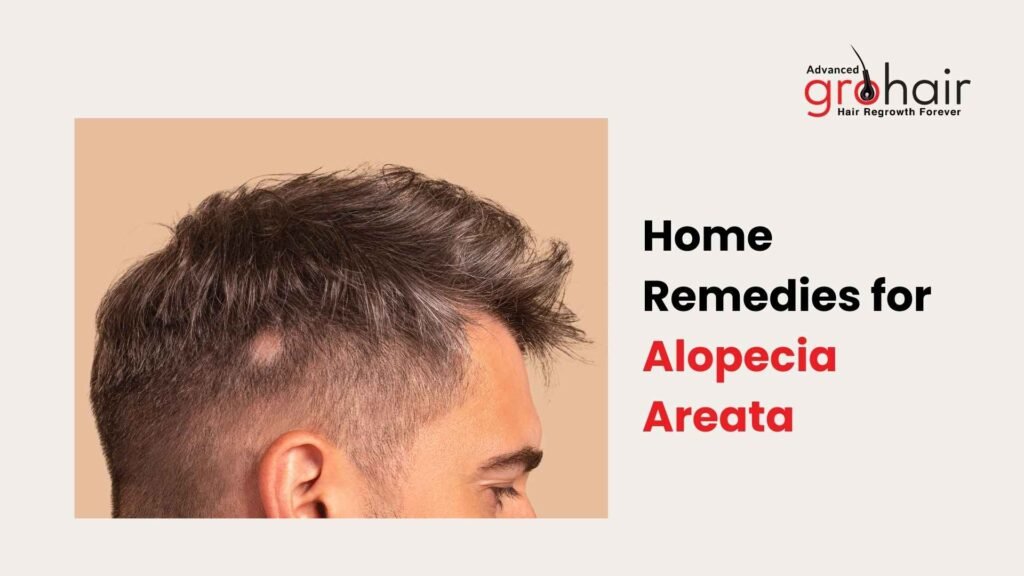
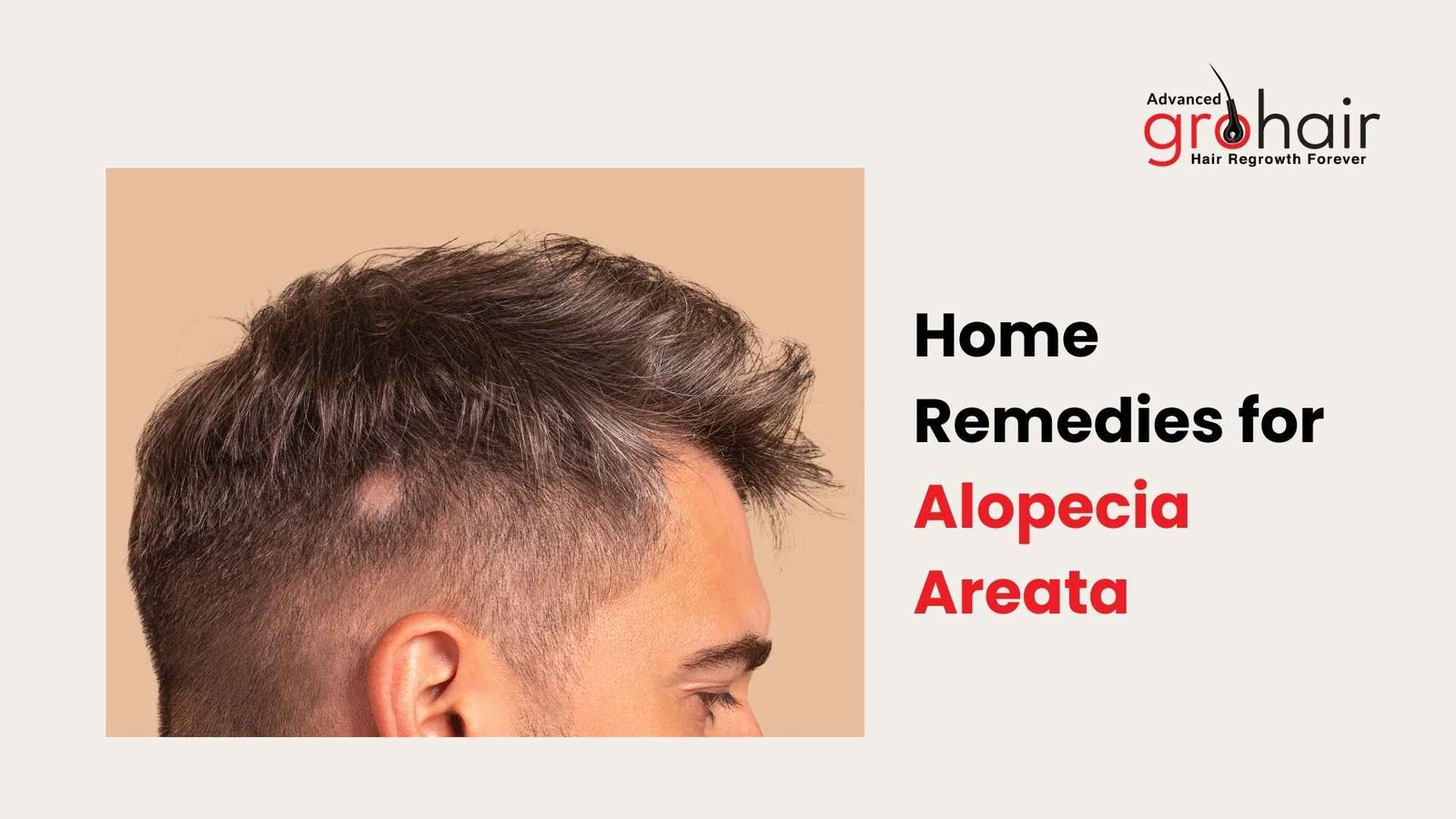
Alopecia areata is an autoimmune condition that can cause sudden hair loss, often appearing as small bald patches on the scalp. Experiencing this can be stressful, but there are ways to support hair health naturally.
Many people turn to home remedies and natural treatments to strengthen hair follicles and encourage new hair growth, alongside guidance from healthcare professionals.
While these approaches won’t cure alopecia areata, they can improve scalp health, reduce inflammation, and create a healthy environment for hair regrowth.
What Is Alopecia Areata?
Alopecia areata is a condition in which the immune system mistakenly attacks your hair follicles, disrupting the normal hair growth cycle. As a result, hair may fall out in small patches, leading to visible patches on the scalp, thinning hair, or complete hair loss in some cases.
Unlike scarring hair loss, alopecia areata does not permanently damage the follicles. This means hair regrowth and even new hair growth are possible, depending on individual factors and treatment approaches.
Causes of Alopecia Areata
Alopecia areata is primarily an autoimmune disease, but several factors can influence its onset or progression. When the immune system attacks hair follicles, it can cause sudden hair fall.
- Genetics may also play a role, as a family history of alopecia or other autoimmune conditions can increase susceptibility.
- High stress levels, can contribute to faster hair loss or flare-ups of alopecia areata.
- Nutritional deficiencies, including low Vitamin D, B12, Iron, Zinc, and Vitamin C, can weaken hair follicles and slow hair regrowth.
- Lifestyle and overall health, such as hormonal imbalances or poor scalp health, may also contribute to thinning hair strands and changes in hair thickness.
For example, someone experiencing prolonged stress or sudden dietary changes may notice increased hair fall, showing how multiple factors can interact to affect hair growth.
Can Home Remedies Help Alopecia Areata?
Home remedies cannot cure alopecia areata or replace professional treatments for alopecia areata, but they may play a supportive role in managing alopecia areata, especially in mild cases.
Research suggests that some natural remedies for alopecia areata may help by:
- Improving scalp health and overall scalp health
- Increasing blood circulation and blood flow to the scalp
- Helping to reduce inflammation around hair follicles
- Creating a healthy environment for hair regrowth
Small clinical studies and systematic reviews on natural treatments for alopecia areata show that certain topical and scalp-based approaches may stimulate hair follicles and encourage new hair. However, evidence is limited, and results vary widely.
Note:
Home remedies can be beneficial as part of a holistic approach, but they should be used alongside medical advice—not as a replacement for proven medical treatments.
Common Home Remedies Used for Alopecia Areata
People exploring natural remedies for alopecia often focus on methods that support scalp and hair health rather than targeting a single cause.
Common approaches include:
- Scalp massage: Gently massaging the scalp may improve blood circulation and stimulate hair follicles. Many people massage it into the scalp using oils.
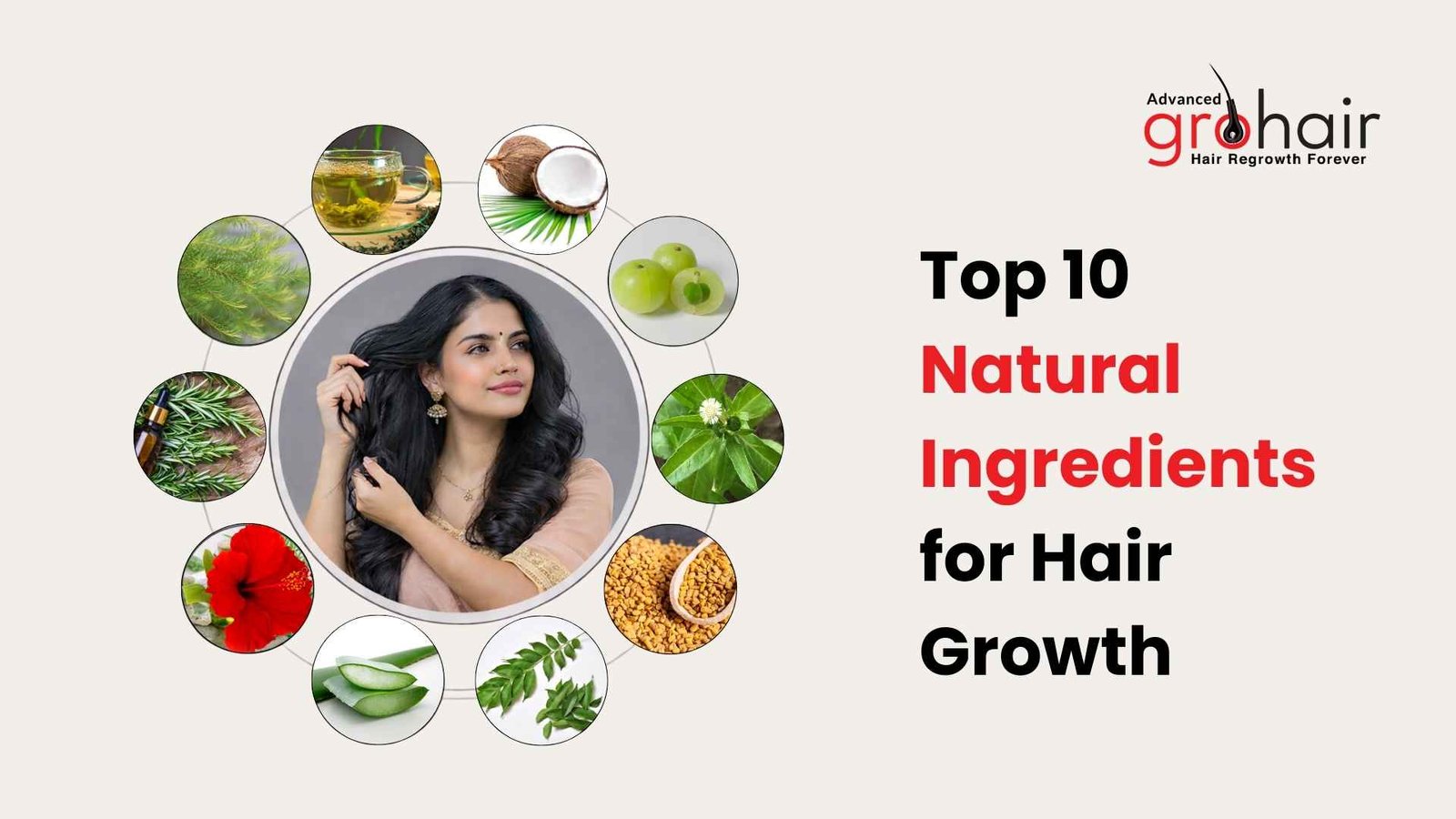
- Essential oil use: Oils like rosemary essential oil are commonly used to promote hair and support hair growth by improving blood flow.
- Aloe vera: The use of aloe vera, especially fresh aloe vera gel, may help soothe the scalp and reduce inflammation.
- Plant-based remedies: Ingredients such as onion juice (rich in sulfur), fenugreek, and green tea are traditionally used to support scalp health and hair regrowth.
These remedies aim to strengthen hair follicles, improve scalp health, and support healthy hair rather than directly treat the autoimmune cause.
Diet and Nutrition to Support Hair Health
Nutrition plays a key role in supporting overall hair health and scalp function. A diet rich in essential nutrients helps deliver nutrients and oxygen to hair follicles.
Important dietary considerations include:
- Adequate protein to support the hair shaft
- Nutrients vital for hair health, including Vitamin D, iron, zinc, and vitamin C, help strengthen hair follicles and support hair regrowth.
- Antioxidant-rich foods that support overall health
A balanced diet may not treat alopecia areata directly, but it can help reduce hair fall and support the body’s natural hair growth processes.
Lifestyle Changes and Stress Management
Lifestyle and stress management are important for managing alopecia areata. Prolonged stress can worsen hair fall, so incorporating relaxation techniques like meditation, yoga, or deep breathing may help.
Maintaining adequate sleep and regular exercise supports overall hair health and scalp circulation. Gentle hair care practices, such as avoiding harsh styling and brushing wet hair, can prevent damage to hair strands.
Establishing daily routines that protect the scalp helps create a healthy environment for hair regrowth. A holistic approach combining remedies and lifestyle changes strengthens hair follicles and encourages new hair growth.
Timeline for Seeing Results from Home Remedies
Home remedies usually require patience. Because hair grows in cycles, visible improvement in hair regrowth or new hair may take several weeks to months.
Results depend on:
- Severity of alopecia areata
- Consistency of care
- Scalp health and blood circulation
- Individual immune response
If there is no improvement or hair loss worsens, professional guidance is essential.
When to See a Doctor
Consult a healthcare professional if hair loss spreads quickly, covers large areas, or if bald patches increase in size or number.
If home remedies fail to reduce hair fall, professional evaluation may be necessary.
Medical interventions such as PRP, corticosteroids, or other treatments for alopecia areata may be recommended, and in some cases, hair transplants could be considered.
Combining professional treatments with natural approaches often leads to better results than relying on one method alone.
Conclusion
Alopecia areata is a complex autoimmune condition that leads to hair loss, but it does not always result in permanent baldness. While home remedies cannot cure the condition, they may help improve scalp health, reduce inflammation, and support hair regrowth when used responsibly.
The most effective strategy focuses on managing alopecia areata through a combination of medical care, natural treatments for alopecia, proper nutrition, and healthy lifestyle choices—always under professional guidance.
Frequently Asked Questions
Can alopecia areata go away on its own?
Yes, some people experience spontaneous hair regrowth without treatment.
Are natural treatments safe for everyone?
Most are generally safe, but some may irritate the scalp. Always patch-test first.
Can home remedies restore hair permanently?
They may help support hair regrowth, but alopecia areata can recur due to its autoimmune nature.
Can alopecia areata cause hair loss beyond the scalp?
Yes, alopecia areata can sometimes affect eyebrows, eyelashes, and facial hair. Gentle hair care and supporting scalp and hair health may help encourage hair regrowth in these areas.
Book An Appointment
Also Read