Folic Acid for Hair Growth: The Hidden Key to Thicker, Stronger Hair
17 Mar, 2026
Do you ever wonder why some people seem to have naturally thick, shiny, lustrous locks and other people can’t seem to keep their hair from thinning no matter what they do? The answer isn’t only genetics or expensive hair treatments — it’s the state of your insides.
And of the largest, most underserved of these factors? Folic acid.
Folic acid has been acclaimed for years as the key to prenatal health and well-being, yet its actual ability to help grow hair, improve its strength and thickness is hardly ever discussed.
Is your hair loss linked to folic acid deficiency? Could adding more of it to your diet be the simple fix your hair needs? And what’s the best way to actually see results?
well done, you’re already one step ahead of the rest And once you’ve read this blog, you’ll have everything you need in order to actually notice a difference in your hair.
Let’s get into it.
The Role of Folic Acid Hair Growth
Your hair doesn’t just grow endlessly. It follows a structured cycle that determines how long, how fast, and how thick it gets.
Anagen (Growth Phase): Lasts 2-7 years. The length of this phase determines how long your hair will grow.
Catagen (Transition Phase): Lasts approximately two weeks. Hair stops growing and begins to shed.
Telogen (Resting Phase): Lasts around 3 months. Hair falls out, and new strands take its place.
Why This Matters: Folic acid extends the anagen phase, meaning your hair stays in the growth stage longer. This leads to fuller, healthier hair over time.
What Exactly Does Folic Acid Do for Your Hair?
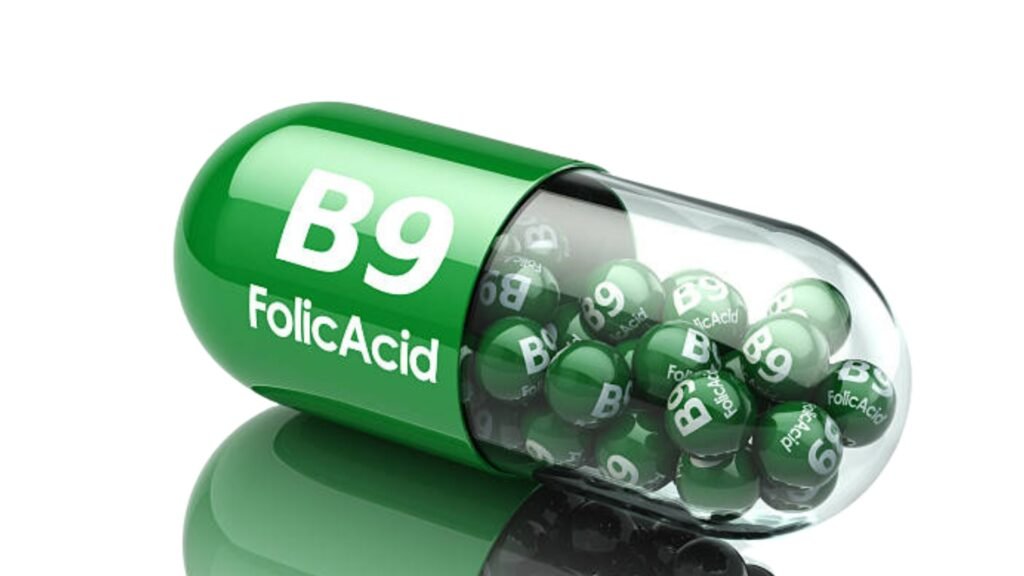
Folic acid (Vitamin B9) directly contributes to hair follicle function and hair strand strength through cell regeneration and blood flow to the scalp.
✔ Increases new follicle growth – Assists in the development of healthy hair follicles from the ground up.
✔ Thickens hair at the root – Minimises breakage and provides stronger strands.
✔ Slows down premature greying – Facilitates melanin production to preserve natural hair color.
✔ Sparks cell regeneration – Feeds continuous follicle renewal to promote quicker hair growth.
✔ Optimise scalp health – Enhances blood flow, bringing hair follicles the nutrition they require.
Folic acid helps increase keratin production, the protein that makes up 95% of your hair. More keratin means thicker strands, stronger roots, and reduced breakage.
But that’s not all—folic acid also supports angiogenesis, the process of forming new blood vessels. More blood flow to the scalp = better oxygen and nutrient delivery to your follicles.
Folic Acid Deficiency & Hair Loss – What You Need to Know
Most people don’t realize they’re lacking folic acid because symptoms develop slowly over time. Here’s what to watch for:
✔ Thinning hair that won’t grow past a certain length
✔ Increased shedding, even with a good hair care routine
✔ Dull, brittle, or easily breakable strands
✔ Noticeable patches of hair loss
✔ Early signs of greying
Still think hair thinning is just bad luck or genetics?
Here’s a fact: Many cases of unexplained hair loss are actually linked to vitamin deficiencies—especially folic acid.
If your hair keeps shedding despite trying every oil, serum, or supplement, it might be because you’re treating the wrong problem.
Let’s get real: Hair fall is not just external. If your follicles aren’t getting the right nutrients, no product will save your hair. Fixing the problem starts from the inside.
Who’s Most at Risk for Folic Acid Deficiency?
✔ Dieters – If you eat very little leafy vegetables, citrus or whole grains, you’re at risk
✔ Others on certain medications – Some types of antibiotics, epilepsy medications, and some birth control pills can decrease the absorption of folic acid.
✔ Chronic alcohol consumers – The breakdown of folic acid is also hindered by alcohol, thus there is a risk of deficiency.
✔ Pregnant women — The body needs more folic acid when someone is pregnant, which is why deficiency tends to be more common.
✔ Digestive disorder sufferers — Celiac, Crohn’s and IBS diseases inhibit the absorption of folic acid
If you are a member of these groups, you might notice taking more folic acid will lead to healthier and thicker locks.
Research Finding : According to studies, between 38% of chronic hair loss patients suffer from measurable deficiencies in folic acid.
Top Benefits of Folic Acid for Hair Growth
1. Stimulates Sleeping Hair Follicles & Reawakens Slow-Growing Hair
All the hair follicles aren’t active—there are some resting because of poor blood supply, lack of proper nutrients, or hormonal imbalance. Folic acid awakens such ‘dormant‘ follicles so that hair could grow where it has become thin after a while.
Why It Matters: If you’re losing your hairline or have bald spots, folic acid can stimulate new growth in those areas.
2. Delays Premature Greying & Age-Related Hair Thinning
Hair will thin out naturally as we grow older, but folic acid halts this process by stimulating keratin and collagen growth—two huge proteins needed to keep hair intact and dense. It also promotes melanin synthesis, which discourages hair from greying too early.
✔ Maintains normal hair color healthy
✔ Develops thicker and fuller hair in old age
✔ Reduces aging hair strands’ fragility
3. Reduces Excessive Hair Shedding Caused by Stress & Hormonal Upheavals
Hair shedding increases during intense stress, recovery from childbirth, or hormonal upsets (as in menopause). Since folic acid has a role to play in regulating homocysteine levels, it stands to reduce the pace of shedding hair due to stress and recovery cycles disrupted through hormonal imbalances.
Pro Tip: If you have sudden or unforeseen hair loss, supplementing with folic acid can help your hair grow back sooner.
4. Thickens Hair by Reducing Follicle Cell Turnover
Hair follicles always renew, but when turnover of cells is slow, hairs are thinner, more brittle, and less robust. Folic acid speeds turnover so that new hairs are successively thicker and more robust.
✔ Thickens each hair strand from the root
✔ Stops weak, brittle strands
✔ Promotes healthier, thicker hair in the long term
5. Maximises the Benefits of Other Hair Vitamins & Treatments
Folic acid is not in solitude—it is paired with other essential vitamins including iron, biotin, and vitamin D. If your hair is not responding or behaving in products or supplements, a lack of folic acid may be preventing absorption.
Best Pairings:
Iron: Oxidises the scalp for faster growth
Biotin: Tenses the keratin for healthier, stronger-looking hair
Collagen: Conditions hair elasticity and prevents brittleness
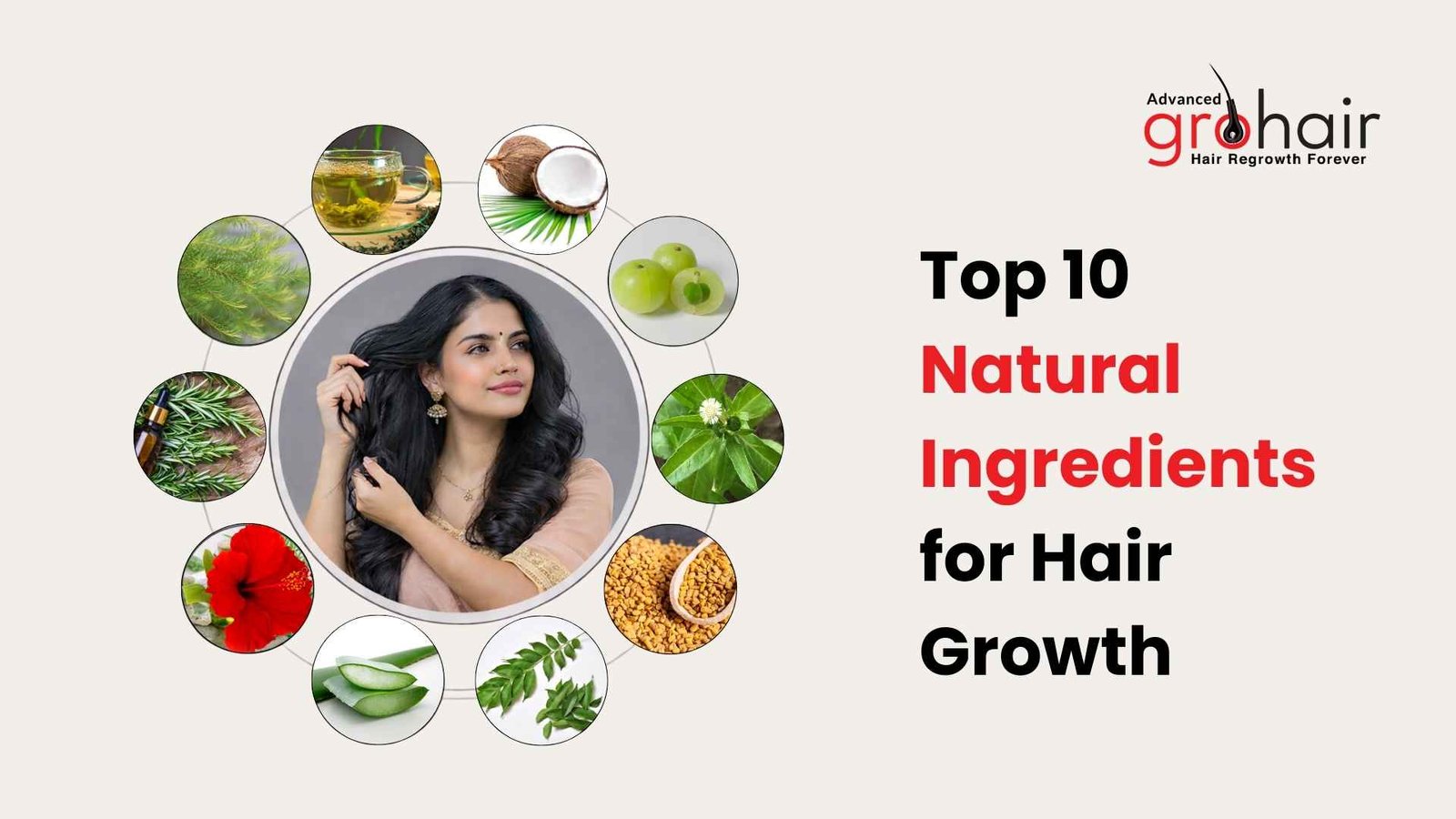
Also Read: Top 10 Natural Ingredients for Hair Growth
How to Get More Folic Acid for Hair Growth
Natural Sources of Folic Acid:
Do you want to increase your folic acid levels without supplements? Here are the best foods:
✔ Dark leafy greens (spinach, kale, broccoli)
✔ Citrus (oranges, lemons, grapefruits)
✔ Legumes (chickpeas, black beans, lentils)
✔ Eggs & dairy products
✔ Whole grains & fortified cereals
remember, Folic acid content in foods can decrease with cooking. For maximum absorption, eat more raw or lightly cooked greens.
Folic Acid vs. Folate: What’s the Difference?
Folic Acid | Folate |
Synthetic form | Natural form |
Found in supplements & fortified foods | Found in leafy greens, legumes, citrus |
May require conversion in the body | Easily absorbed |
Takeaway: Folate from food is better absorbed than synthetic folic acid.
Does It Work in Shampoos & Oils?
Many hair care products claim to contain folic acid, but do they actually work?
✔ Shampoos – They can improve scalp circulation but won’t replace dietary intake.
✔ Serums – Work best when combined with biotin or peptides.
✔ DIY Scalp Treatments – Some people mix folic acid tablets with oils, but scalp absorption is limited.
Verdict? Topical folic acid helps—but for real results, diet and supplements matter most.
Conclusion
Is washing your hair every day the problem? The short answer is no. The real issue lies in your technique, the products you use, and whether your specific hair type actually requires a daily schedule. While harsh shampoos can cause a frequent routine to backfire, daily washing is often healthy for those with oily scalps or active lifestyles.
Ultimately, the goal is balance—keeping the scalp clean without stripping essential moisture. Daily washing alone won’t cause hair loss, but poor habits can lead to damage. By tailoring your routine to your hair’s unique signals, you can protect your strands and create the best environment for natural growth.
Book An Appointment
Also Read