Best PCOS Hair Loss Treatment in Chennai
“At first, I thought it was just stress. The strands on my pillow, the widening parting line… It all started subtly. I never imagined PCOS could mess with my hair this way.”
Divya, 28, a marketing executive from Chennai, never thought she would experience PCOS hair loss in her late twenties. Like most women, she knew about PCOS as something related to irregular periods and weight gain, but that it could also impact her hair was unthinkable. It began innocently—a little more hair falling on the bathroom floor than normal, a minuscule change in the fullness of her ponytail. But when friends began to comment on how visible her scalp was becoming, Divya couldn’t ignore it anymore.
PCOS hair loss is a silent epidemic among many women with PCOS. It insidiously creeps up, brushed off as stress, hormonal changes, or even bad hair habits. But for Divya, this was an emotional rollercoaster that affected much more than just her looks. It eroded her self-confidence, making her doubt herself.
Her experience is not an isolated incident—women in Chennai are all fighting the same battle with PCOS hairloss. Emotional distress over the loss of hair due to PCOS can become overwhelming, yet it should be kept in mind that there exists a cure. Divya’s case demonstrates the way education of the condition as well as pursuing the correct care can make everything different.
Understanding the Link Between PCOS and Hair Loss
After months of trying every over-the-counter shampoo and home remedy with little improvement, Divya made the brave decision to see a dermatologist. It was a turning point.
The doctor immediately suspected a deeper issue. After going through a series of tests and a thorough evaluation of her medical history, it was eventually confirmed—Divya had PCOS. Her levels of hormones, particularly her androgens (male hormones like testosterone), were elevated, straight away causing her hair loss.
“My physician explained to me how the excess levels of testosterone in females with PCOS lead to testosterone getting converted to DHT (dihydrotestosterone), which actually invades hair follicles, shrinkage of follicles, and slowing down the growth,” recollects Divya.
She discovered that androgenetic alopecia, a hormonal imbalance disorder that results in hair loss, was to blame. This is more than fine hair: This is dramatic miniaturisation of the hair follicles, resulting in permanent and thinning, particularly at the crown and parting.
The Symptoms – What She Noticed Early On
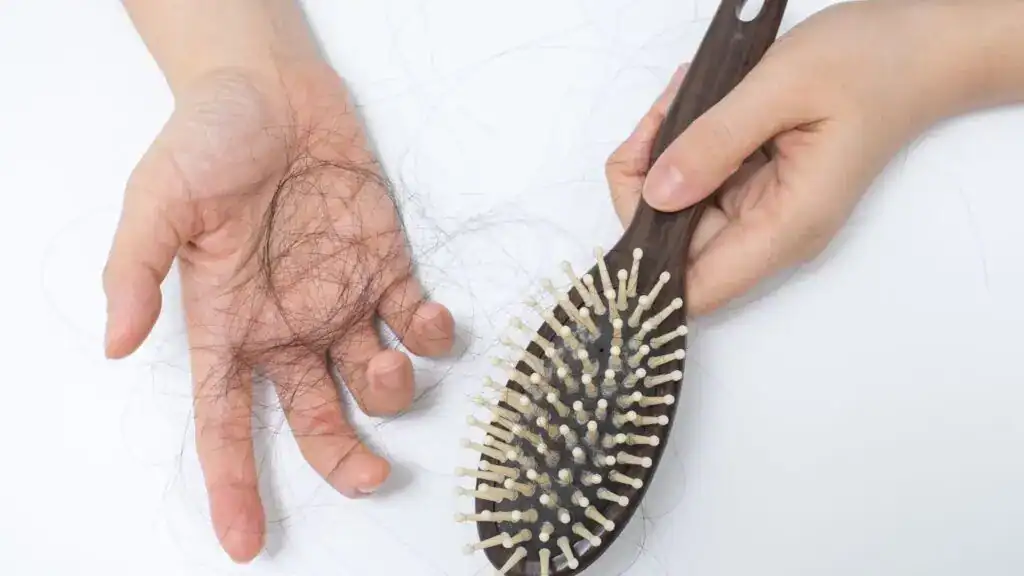
For months, Divya dismissed the changes as normal. She thought it was the stress from work or maybe the change in weather. But soon, the signs became too obvious to ignore. Her hair, once thick and full, started shedding excessively. The bathroom sink seemed to collect an alarming number of strands, and she noticed a slight thinning along her parting line.
At first, it was a small change. Just a few more strands on her pillow in the morning, a few extra hairs stuck in the comb. But over time, the thinning became more pronounced. Her once-dense ponytail seemed to lose its volume, and the scalp she had never noticed before was becoming more and more visible.
The emotional impact was even harder to deal with. Hair loss isn’t just physical—it can feel like a loss of identity. “You start wondering, ‘Am I still attractive? Do I still look the same to the people who know me?’ My hair had always been my crowning glory, and now it was betraying me.”
The Causes of Hair Loss in PCOS
As Divya delved deeper into research, she found the intricate network of causes for PCOS-induced hair loss. It was not just one reason—it was a constellation of many reasons that had come together to wreak havoc on her hair.
- Hormonal Balance: Her body was surreptitiously churning out elevated amounts of testosterone, a hormone more typically present in males. Testosterone was being metabolized to DHT in her system. DHT attaches itself to the hair follicles, limiting them and delaying and inhibiting hair growth.
- Scalp Health: Her oily scalp, another common phenomenon in PCOS, was causing clogged pores and inflammation, weakening her hair follicles further.
- Nutritional deficiencies: Consuming irregular meals at odd timings and gaining weight, had deprived Divya’s body of essential nutrients needed for healthy hair like iron, zinc, and the B vitamins.
- Stress: Chronic stress added to her hormonal imbalance, which also made the hair thinning even more challenging. The self-sustaining cycle of balding and stress was, regretfully, out of control.
The Turning Point – Seeking Professional Help in Chennai
Frustrated by failed attempts at over-the-counter treatments and home remedies, Divya decided to seek professional assistance. She sought out different clinics in Chennai that dealt with PCOS-related hair loss and eventually found one clinic which actually grasped her requirements.
During her initial consultation, the clinic’s approach was refreshing. They did not offer her temporary fixes or quick solutions. Rather, they performed a complete scalp analysis, requested blood tests to determine her hormone levels, and spoke with her about her lifestyle choices.
“For the first time, I was heard. The physicians didn’t just write me a blanket prescription—they listened to my situation and were intent on solving it long-term,” she says.
The Treatment Plan – What Worked and Why
With a diagnosis in hand, Divya initiated an individualized treatment regimen that involved both clinical therapies and lifestyle modifications. Here’s what worked for her broken down:
Medications & Supplements
Divya was put on a low-dose anti-androgen tablet, which overrode the effect of testosterone on her hair scalp. Divya also received vitamin D, B-complex, and iron tablets, which took care of her deficiency in nutrients.
“The supplements made all the difference. My physician described how these nutrients could affect hair growth, so that was a priority to address.”
Clinical Therapies
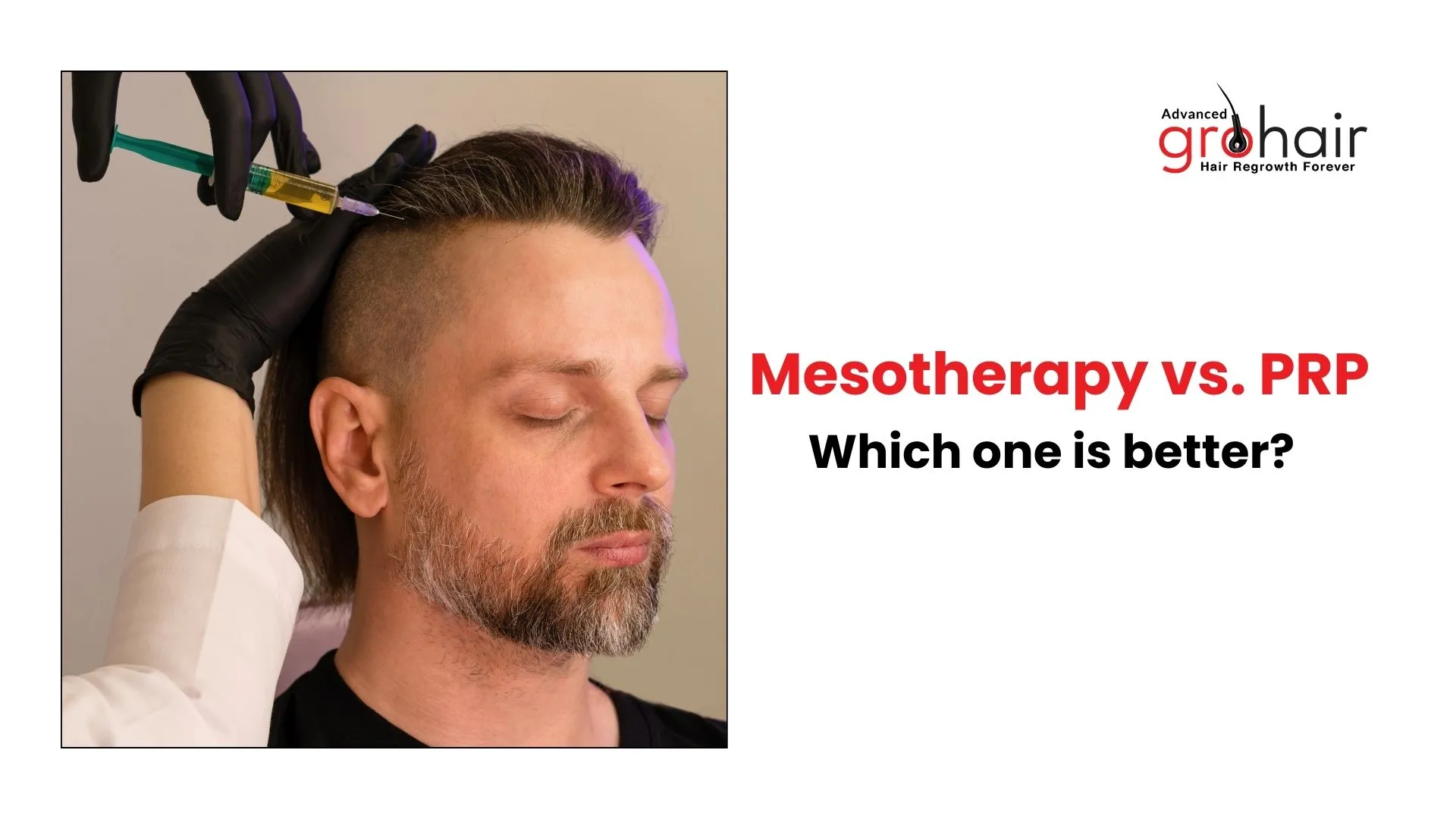
The clinic also advised her on the newer therapies like PRP (Platelet Rich Plasma) therapy, where a blood test was conducted from which her blood was processed and injected into her scalp to promote growth of hair follicles. Growth Factor Concentrate (GFC) therapy was also administered to her, stimulating the growth of healthier, thicker hair.
Low-Level Laser Therapy (LLLT), a non-surgical treatment employing red light to stimulate hair growth and increase blood flow to her scalp, was also an important component of her treatment.
Nutritional & Lifestyle Changes
Divya also rewrote her way of eating quite radically and made a PCOS-friendly diet dense with anti-inflammatory foods like green leafy veggies, nuts, and food having high omega-3. She eliminated refined sugar and carbohydrates that have been provoking spikes in insulin and augmenting the imbalance of hormones.
Stress management was also one factor that fell into the spotlight. Divya would practice yoga and meditation and made sure she devoted some time for herself to relax, in a bid to battle the stress that was leading to her baldness.
Choosing the Right Hair Clinic in Chennai
Divya’s experience had taught her the value of seeking a clinic that deals with female pattern hair loss, especially one that is aware of the hormonal intricacies of PCOS. She suggests selecting a clinic that provides:
- Practical, evidence-based treatments including PRP, GFC and LLLT.
- An approach that is holistic in nature, with a consideration for medical, diet and lifestyle (including stress) factors.
- Treatment tailored to you, based on your specific symptoms, health, and other factors.
“Had I come across the correct clinic earlier, I think this would have been avoided,” says Divya. “The difference in my results was night and day.”
Results & Recovery Expectations
Hair regrowth is not something that happens overnight, and Divya learned that in a hurry. Within three months of regular treatment, though, she started to lose fewer hairs while combing through. At six months, her scalp had actually filled out quite noticeably, and the crown area was much more full.
While the progress was slow, the outcome was clear. “The change was amazing. Although my hair isn’t like it was during my teenage years, it’s thickening up and looks healthier than it has in years.”
Divya still has maintenance treatments and lifestyle changes. The most important thing to take away from her experience is consistency. “Hair loss is a marathon, not a sprint. Stay consistent, trust the process, and give yourself time.”
Conclusion – From One Woman to Another
Divya’s tale is a powerful example that PCOS-induced hair fall does not have to be the end of it all. Focusing on the cause—imbalance in the hormones—and being holistic in treatment, women like Divya are able to regain not just their hair, but also their self-esteem.
Whether you’re experiencing PCOS hair loss, don’t wait until things get worse. Consult a professional and begin the process to restore your hair and confidence. Your hair is an indication of your health, and taking charge will make you feel more confident on the inside and out.
Begin Your Journey Today
Expert Take: How PCOS Hair Loss Occurs
In PCOS women, excess testosterone is converted to DHT, which causes hair follicle death and thinning. Treatment is aimed at hormonal balance, scalp strengthening, and stimulating hair regrowth.
Frequently Asked Questions (FAQs)
Is PCOS hair loss reversible?
Yes, PCOS hair loss is reversible in most cases with early diagnosis and the right treatment. A combination of hormonal therapy, hair restoration treatments like PRP or GFC, and lifestyle changes can help regrow hair and prevent further thinning.
How do I know if my hair loss is due to PCOS?
You might have PCOS-related hair loss if you experience:
- Thinning at the crown or part line
- Oily scalp or acne
- Irregular periods or weight gain
- Excessive hair on the face or body (hirsutism)
A blood test and scalp analysis by a hair specialist can confirm if your hair fall is linked to PCOS.
What are the best treatments for PCOS hair loss in Chennai?
- PRP (Platelet-Rich Plasma) Therapy
- GFC (Growth Factor Concentrate)
- Anti-androgen medications (under medical supervision)
- Low-Level Laser Therapy (LLLT)
- Nutritional support and a customized PCOS diet plan
Choose a clinic that specializes in women’s hormonal hair loss.
Is PCOS hair loss permanent?
Not always. If left untreated, PCOS hair loss can lead to permanent follicle damage. But if addressed early with proper medical and clinical care, hair regrowth is very possible.
Can diet and lifestyle changes really help with PCOS-related hair fall?
Yes, absolutely. A PCOS-friendly diet (low in sugar and refined carbs), regular exercise, and stress reduction can lower androgen levels, reduce DHT production, and support hair regrowth. Lifestyle management is essential for long-term success.
Book An Appointment
Also Read