Hair Transplant Aftercare Guide – Do’s, Don’ts & Recovery Tips
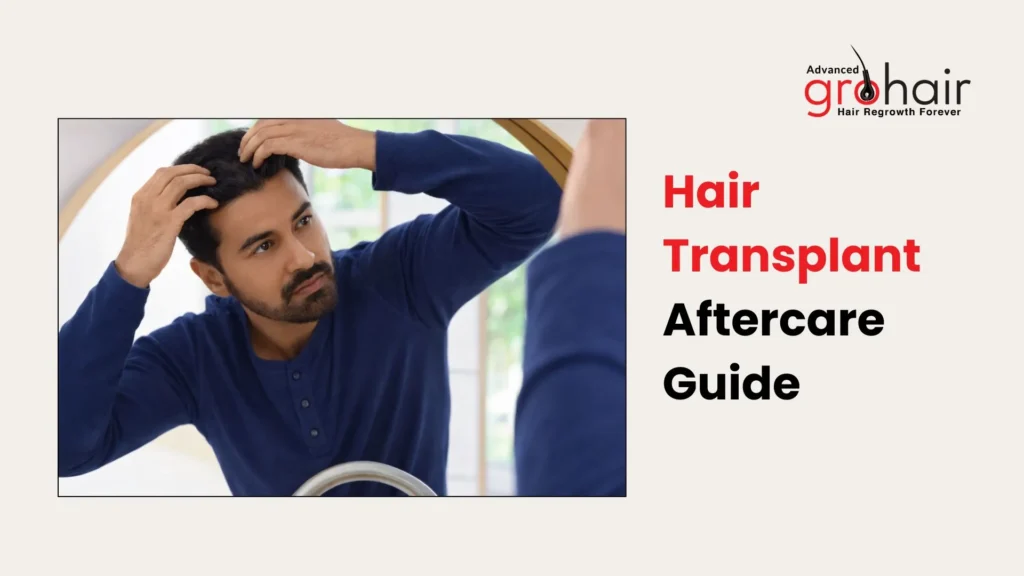
Hair transplants work best when the procedure is only the beginning, not the whole story. The real success, the natural finish, the smooth recovery, all of it depends on what happens afterwards. This is why hair transplant aftercare becomes the backbone of the entire journey.
Aftercare sounds simple, yet it carries real weight. A structured transplant aftercare program guides you through every stage. Postoperative care protects fragile grafts, helps your scalp settle, and supports the new hair that will eventually grow. It prevents avoidable setbacks.
This guide to hair transplant aftercare walks you through everything, step by step. What to expect, what to avoid, how recovery unfolds, and how small habits add up to long-term success.
What to Expect the Day After the Operation
The day after your operation often feels like entering a new chapter. Your scalp may feel tender. The newly transplanted hair may look a little raised or dotted. This is normal. In the days after your hair transplant, your body is doing the work, quietly, underneath the surface.
Recovery begins with small signs. Slight redness. Light swelling in some cases. The grafts look like tiny stubble. Your job right now is simple: protect them, give them space, and avoid touching or rubbing the scalp.
Many patients worry that the grafts look fragile, but they are secure as long as you follow the instructions your clinic provided.
These first few days set the tone. Rest more than usual. Keep your head elevated when you sleep. Support the healing environment. Allow the transplanted hair to anchor itself, because this stage influences everything your scalp will do next.
Post Hair Transplant Care, The Critical Days and Weeks
This period brings the most changes, so here is a simple breakdown that is easy to understand.
Healing Timeline :
Time Frame | What Happens | Why It Is Normal |
Days 3 to 7 | Scabs develop, with light itching | The scalp is healing |
Week 2 | Scabs fall off | Natural skin recovery |
Weeks 2 to 4 | Hair begins shedding | Old hair shafts release |
Months 2 to 3 | Quiet period | Follicles rest before growing |
Months 3 to 6 | New fine hairs appear | Start of growth |
Months 6 to 12 | Hair thickens | Maturing stage |
Why hair may look uneven
- Different follicles heal at different speeds
- Some hair sheds early, some later
- Growth does not start everywhere at the same time
What matters now
- Let scabs fall off naturally
- Avoid scratching
- Keep washing gently
- Keep the sun away from the scalp
How to Wash Your Hair After a Hair Transplant
Note: Hair grows slowly but steadily, and the most noticeable improvements usually come between months 6 and 12.
Washing your hair after a hair transplant feels delicate at first, yet it is part of the healing process. Your clinic usually gives you specific steps, but the general approach stays the same: patience, gentle movement, and a soft touch.
Begin with lukewarm water. Let it drizzle over your scalp instead of spraying it with force. Use a mild, recommended shampoo. Foam it in your hands first, then tap or dab the foam onto the scalp. No rubbing. No pressure. Let the shampoo rest for a moment, then rinse carefully.
Avoid harsh hair products, heavy gels, hair spray, strong fragrances, and anything that dries out the scalp. Skip the hair dryer for at least a month, since heat can irritate the area and slow down healing. As your grafts settle, this careful wash routine supports their survival and protects both the transplanted hair and your natural hair.
Your cleansing routine becomes part of your aftercare promise, a simple way to help the scalp stay clean without disturbing the delicate healing process.
Supporting Hair Growth After Transplant
Hair does not grow all at once. It grows in phases, and knowing these phases makes the journey easier to follow.
Growth phases explained
- Shedding phase: Transplanted hairs fall, follicles stay safe.
- Resting phase: Little to no visible change.
- Growth phase: Soft, thin hair starts to appear.
- Thickening phase: Hair gains strength and density.
When new hair appears
- Most people see early growth around month 3
- Some earlier, some later
- Variation between male and female growth patterns is normal
Habits that support growth
- Eat nutrient-rich meals
- Drink enough water
- Avoid smoking
- Protect the scalp from sunlight
- Use approved products only
- Reduce stress where possible
Lifestyle, Habits, and Hair Care After a Hair Transplant
The way you live during recovery influences how smoothly everything goes. A gentle hair care routine helps. Soft shampoos. No heavy styling products. No tight hats or helmets until your clinic says they are safe. Give your scalp breathing room.
Deciding between short hair or long hair styles during recovery depends on comfort and how visible you want the area to be, but the style itself does not affect healing. What matters is avoiding anything that pulls, tugs, or creates friction.
Take care of your scalp by keeping it clean, avoiding sunburn, and avoiding anything that causes sweat buildup for the first couple of weeks. If you exercise, ease back into it. Listen to your body.
Safe habits protect the new follicles. These follicles are tiny, living structures that need calm, steady conditions while they settle. Your scalp is healing from surgery, so treat it with the same care you would give any other wound… gently, patiently, consistently.
Monitoring Progress and Visiting Your Hair Clinic
Follow-up visits matter. Your clinic tracks your progress, checks how the grafts are healing, and lets you know what to expect next. The timing of these visits depends on your individual plan, yet most patients return within the first week, then again in the following months.
Working with a transplant aftercare program gives you guidance that lasts beyond the procedure. You are not navigating the process alone. Expert eyes help identify early improvements, explain changes in the hair, and reassure you that your progress is on track.
If anything looks unusual, contact your doctor. Excessive swelling, severe pain, or sudden redness that spreads should always be checked. It is better to ask early than to worry quietly. You are investing in your hair, your appearance, and your confidence, so protect that investment with solid communication.
Conclusion
Proper aftercare is not optional; it is the key to achieving a natural and dense result. The post-hair-transplant routine you follow now shapes your outcome later. Grafts survive because you protected them. Hair grows because you allowed the healing process to unfold. Your scalp looks better month by month because you stayed consistent.
Give yourself time. At least a month before visible improvements, and several months before the real transformation shows. The aftercare process carries you through every stage, from the early fragile days to the moment new hair appears.
Most patients grow new hair naturally once the body completes its cycle. With the right routine, habits, and support, your hair becomes stronger, healthier, and more confident than before.
FAQs
What is the most important aftercare after a hair transplant?
The most important aftercare after a hair transplant is protecting the scalp during the first 7–10 days. This includes avoiding touching or scratching the grafts, sleeping with the head elevated, following prescribed medications, and keeping the scalp clean as instructed by the surgeon.
How long does it take to recover after a hair transplant?
Initial recovery after a hair transplant usually takes 7–14 days, during which scabs fall off and redness subsides. Full recovery and visible hair growth can take 6–12 months, as transplanted hair goes through shedding and regrowth phases.
When can I wash my hair after a hair transplant?
Most patients can gently wash their hair 48–72 hours after a hair transplant, using a mild shampoo and lukewarm water. Direct water pressure, rubbing, or harsh products should be avoided for at least 10 days.
What should I avoid after a hair transplant?
After a hair transplant, you should avoid strenuous exercise, smoking, alcohol, sun exposure, swimming, and wearing tight hats for at least 2–4 weeks. These activities can interfere with healing and reduce graft survival.
Is shedding normal after a hair transplant?
Yes, shedding—often called shock loss—is completely normal after a hair transplant. Transplanted hairs usually fall out within 2–8 weeks, but the hair follicles remain intact and new, permanent hair begins to grow within 3–4 months.
Book An Appointment