Microdermabrasion for Stretch Marks: Does It Work & What to Expect
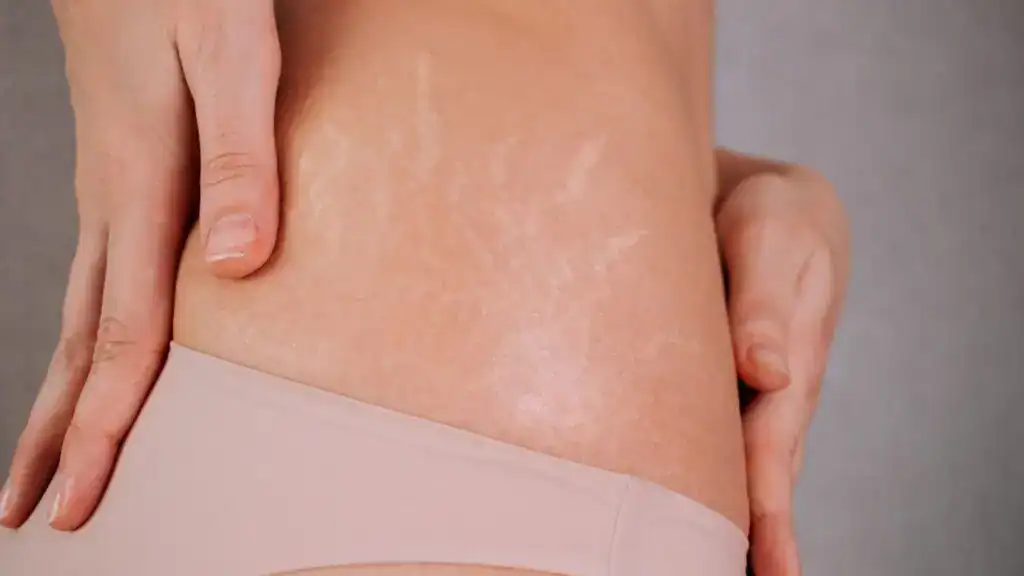
Whether from pregnancy or intense gym sessions, microdermabrasion for stretch marks has become a leading non-invasive solution for fading persistent lines. Stretch marks appear when the skin expands faster than it can manage, causing the dermis to tear and compromising the collagen fibers that provide suppleness.
While many treatments promise fast fixes but involve significant downtime or harsh side effects, microdermabrasion offers a gentler approach. By using a specialized device to exfoliate dead surface cells, it triggers the body’s natural healing response. The real benefit lies in its ability to stimulate fresh collagen and elastin production, improving skin texture without the need for aggressive lasers or chemical peels.
In this guide, we’ll explore how the process works and whether this effective “glow-up” is the right solution for your skin’s story.
What Causes Stretch Marks?
Stretch marks are 100 percent normal and honestly super super common, but they are essentially micro tears of the dermis (middle layer of skin) from stretches or contractions in the skin, she says. Yo, pregnancy, hormones, weight, but yes, excessive muscle at the gym too fast
When skin is stretched, the same proteins, collagen and elastin, which are responsible for tightening skin and making it elastic, can become damaged. This damage appears as lines on the skin, which initially are red or purple and then turn white or silver.
So the newer, redder stretch marks are your skin that’s still in the process of healing and the ones that are white have been around longer, they’re the older spots that are more difficult to treat.
Regardless of where they pop up, on your stomach, thighs, hips, arms, what have you, they exist because of how quickly your skin tries to keep pace with changes in your body.
Type of Stretch Mark | Colour/Appearance | Stage | Cause |
Red Stretch Marks | Red/Purple | New/Early | Fresh skin tearing, inflammation |
White Stretch Marks | White/Silver | Older/Mature | Scar tissue, less blood flow |
What is Microdermabrasion?
Microdermabrasion is a mouthful, but it’s really not that complicated. It’s a cosmetic procedure that just uses a specific machine to sweep away dead skin cells from the outside of your skin.
This device softly peels the surface, removing worn-out, dead skin and forcing your body to produce new, fresh skin in its place.
In contrast to deep-reaching lasers or chemical peels that dissolve, microdermabrasion remains on the surface, thus a less in-your-face treatment with shorter downtime.
It’s becoming popular because it’s not invasive, it’s fast, and it’s complementary with other treatments.
How Microdermabrasion Works for Stretch Marks
As microdermabrasion is swept across your skin, it sweeps away the dead skin cells that lie on top of stretch marks, and encourages your skin’s own renewal process.
This gentle injury prompts your skin to make more collagen and elastin — which are the basic components of healthy, firm, youthful-looking skin.
Over time, they’ll be less noticeable as your skin continues to regenerate. The texture smoothens and, the skin tone is upgraded to even. It’s not going to disappear your stretch marks overnight, but over several sessions, you’ll start to notice healthier, smoother skin emerge.
Benefits of Microdermabrasion for Stretch Marks
- Stretch marks gradually become less visible.
- Smoother, even-toned skin texture
- Safe for all skin types, especially sensitive and dark skin.
- Suitable for both newer (red) and older (white) stretch marks
- Minimal risk, no downtime, and painless treatment
- Improves overall skin health by increasing collagen and elastin.
If you’re after a treatment that’s low-risk and effective over time, microdermabrasion is worth considering.
Microdermabrasion vs. Other Stretch Mark Treatments
Certainly, stretch marks have all kinds of treatment options, including lasers and chemical peels and topical creams, but here’s the scoop:
- Lasers can produce faster results but may involve downtime, redness and greater expense. Chemical peels are more intense exfoliators and can be too harsh for sensitive skin. Topical creams can lighten and even out skin tone, but they rarely work alone to produce dramatic improvement.
- Enter microdermabrasion, the soft in-between treatment. It’s ideal for those looking for gradual results with minimal side effects. Often, it’s combined with other treatments or skincare routines for the best results.
Treatment | How It Works | Pros | Cons | Ideal For |
Microdermabrasion | Removes dead skin cells gently | Safe, no downtime | Gradual results, multiple sessions | Mild to moderate stretch marks |
Laser Therapy | Uses light to stimulate collagen | Faster, more dramatic results | Expensive, downtime, possible redness | Moderate to severe stretch marks |
Chemical Peels | Removes outer skin layers | Exfoliates deeply | May cause irritation, downtime | Sensitive to tolerant skin types |
Topical Creams | Moisturises and improves skin tone | Easy to use at home | Limited impact on stretch marks | Very mild or preventive care |
Your skin goals, type, and tolerance for downtime will guide what’s right for you.
What to Expect During and After the Treatment
During microdermabrasion, your skin will be cleaned, and the machine will be used softly over the stretch marks. A little scratching or tingling is generally all you feel; it’s not painful. The entire procedure lasts about 30 to 60 minutes.
Immediately post-treatment, your skin may feel tight or slightly irritated, similar to a moderate sunburn.Some redness is normal but fades quickly. The best part? There’s no downtime. You can jump right back into your day.
Most people need multiple sessions spaced a few weeks apart for noticeable improvements. Your skincare professional will guide you on the right frequency.
Who Should Consider Microdermabrasion?
- Microdermabrasion is appropriate for individuals with milder to moderate stretch marks who desire safe, gradual improvement without aggressive therapy.
- If you still have newer red stretch marks or have sensitive skin, this option may be more your speed. And it’s not a miracle cure — deep, old stretch marks may not vanish entirely — but it does make a difference in skin texture and tone.
- If you need something relatively risk-free and low-maintenance that plays well with other skin treatments, microdermabrasion does the trick.
Creating a Personalised Treatment Plan
Every skin story is unique. That is why a customised plan matters. Depending on your skin type, how severe your stretch marks are, and your overall health, a skincare specialist will make a recommendation for how frequently you should be getting microdermabrasion sessions and if you should be combining it with another type of treatment.
Complementing your clinic treatments with everyday home care; hydration, sun care and facial exfoliants offers optimal results.
Just keep in mind that managing your expectations and being consistent can give you the luminous, smooth complexion you desire.
Conclusion
Microdermabrasion is no stretch mark wonder eraser, but wonderful news if you’re ready to enhance the texture and tone of your skin gradually—without harsh therapies or time off.
Gently exfoliating dead skin cells away and stimulating the production of collagen and elastin, the treatment makes your skin repair itself naturally. Gradually, you’ll find smoother, more uniform skin in the spot of those stretch marks.
It’s ideal for those who desire to restore skin health with fewer risks at stake, making it ideal for stretch mark treatment rookies or sensitive or darker skin tones. Patient, remember, and long-term effects all pay off.
If you’re even remotely considering taking the leap, then a consultation with a skin professional is step number one. With them, you can tailor your treatment plan to your skin concerns and goals. Look and feel beautiful once more with the safe and effective answer..Microdermabrasion.
Frequently Asked Questions (FAQs)
How Long Will it Take a Microdermabrasion to Get rid of Stretch Marks?
Results can differ, but most people have significant improvement after 4 to 6 sessions, with a few weeks between each one. Just be patient, it takes a while.
Is microdermabrasion good for dark or sensitive skin?
Yes, it is typically safe for ALL skin types, including those with darker skin. “Because it’s a gentle exfoliation, it has a lot less risk of causing pigmentation than some of the stronger chemical peels.” “Choose the treatment of your choice based on the needs of your skin and always consult a dermatologist to tailor the treatment to your skin types and needs,” he advises.
Is microdermabrasion painful?
It is comfortable to most. As you have the treatment, you may feel a tiny bit scratchy or slightly prickly, but it’s not painful and requires no anesthesia.
How many treatments can you expect to see noticeable results after?
Mostly, 4 to 8 treatments make a clear difference, though the quantity depends on how severe your stretch marks are and how well your skin reacts.
Book An Appointment