7 Ways to Fade Acne Scars : Clear Skin naturally
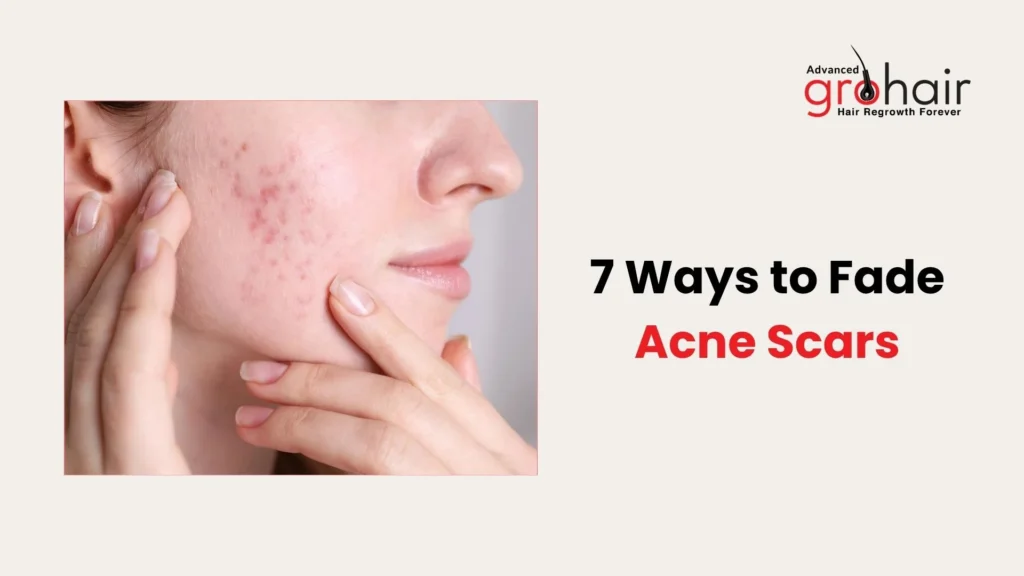
How to Reduce Acne Scars Naturally? The truth of the matter is that although natural remedies can go a long way in ensuring that skin is improved, they may not fully clear acne scars, which run deep. Nevertheless, they are effective in decreasing acne scars, enhancing the skin texture, and aiding in long-term healing of scars.
Another problem is how to differentiate between a temporary acne mark and a permanent scar.
Acne marks, dark spots, are typically flat discolourations that develop with time, whereas scars are structural damage on the skin.
It is estimated that early and regular skin care, treating acne, can be of significant importance in preventing scars and enhancing healing results, reducing scarring.
You will slowly be able to improve your skin with a proper solution, without having to leave the comfort of your own home.
Understanding the Types of Acne Scars & Marks
Not every scar is similar, and the knowledge of the various types of acne scars assists in selecting the appropriate scar treatment procedure.
Acne scars form when the skin is damaged by inflammation, and the normal healing process is disrupted. Different types of scars are formed depending on the way the skin forms collagen in the healing process.
Atrophic Scars
These are the most widespread, and they consist of boxcar scars, rolling scars, and atrophic scars. They come out as depressions or notches and are commonly referred to as small holes in the skin. Such scars arise when collagen is not formed in sufficient amounts in the skin during the process of healing.
Hypertrophic and Raised Scars
Hypertrophic scars or raised scars are caused by an excess production of collagen that causes the skin to thicken and raise in the form of bumps. They are prevalent on the chest, shoulders and the back.
Deeper Acne Scars
Severe acne, severe acne, may cause worse injury to the skin layers, which form more prominent and persistent scars, deeper scars. This may involve more than just natural remedies to improve.
Acne Marks vs Scars
It is also worth knowing that dark areas that remain after acne are not real scars. These are referred to as post-inflammatory hyperpigmentation and dissipate over time with adequate care.
The knowledge of the way scars develop assists in providing realistic expectations and can help with the treatment options, help reduce the appearance, appearance of scars, appearance of acne scars.
Top Natural Remedies to Help Fade Acne Scars
Natural home remedies can help in healing, skin tone and minimising mild scars. These are slow techniques that need consistency.
Lemon Juice and Honey
Lemon juice has natural acids, which may be used to brighten the skin and lighten scars, and honey is hydrating and antibacterial. Lemon, however, should be applied sparingly because it can cause irritation to sensitive skin.
Turmeric
Turmeric has an anti-inflammatory effect and even has the ability to smooth out the skin tone, reduce inflammation. It can also aid in the healing process and lessen redness, heal acne.
With proper use, these remedies can be used to reduce the appearance, improve the clarity of the skin, and support better appearance of your scars.
Aloe Vera
Aloe vera is very well-known due to its calming and healing effects and is known to reduce the appearance of scars. It may help in repairing the skin and enhancing hydration, which is significant in restoring healthy skin.
Rosehip Seed Oil
Rosehip oil is rich in vitamins and the necessary fatty acids that can be used to improve skin texture and assist with collagenation, skin to stimulate collagen production.
Apple Cider Vinegar
Diluted appropriately, apple cider vinegar can also be helpful in exfoliation of the skin and in the removal of dead skin cells, dead skin. This has the potential to make the skin smoother in the long run. Nevertheless, caution should always be taken so as to avoid irritation.
These solutions can aid in a gradual change in the texture of the skin and facilitate the existence of slight scarring, surface scars.
Also Read: Chemical Peels: Myths vs. Reality
How Skin Heals: A Quick Guide
When considering the effects of natural remedies, it is necessary to examine the process of healing the skin.
When the skin is damaged, the body begins repairing it; this process includes
- Inflammation
- Forming tissues, and
- Collagen production
In the process, collagen is produced by the body, and it assists in restoring the skin’s structure, stimulating collagen.
When the production of collagen is low, the skin develops depressed scars. Excessive production of collagen may result in elevated scars.
Natural solutions mainly favour the external parts of the skin. They are able to assist in the removal of dead skin, enhance hydration, and aid in mild collagen activity. Nevertheless, they might fail to reach deep enough to alter serious scars; scars may require further care.
The process of healing must be supported through:
- Keeping the skin hydrated
- Avoiding harsh products
- Preventing sunburn on the skin, protect your skin
- Gentle exfoliation to remove dead skin cells.
These measures will assist the surrounding skin to heal and enhance the general look of scars over time.
Daily Habits to Prevent & Reduce Scar Appearance
Consistency in daily habits plays a major role in improving skin and preventing further damage.
Sun Protection
Scars are more visible when exposed to UV rays, especially in people with darker skin. Wearing sunscreen regularly prevents further worsening of pigmentation.
Managing Active Acne
It is necessary to prevent new breakouts. Early treatment of acne minimises the risks of having more severe scars, stubborn acne.
Gentle Skin Care
By applying products that are appropriate to your skin type, you will be maintaining balance and will not be irritated. Scarring may be exacerbated by over-exfoliation or severe treatment.
Patience and Consistency
Scars do not fade overnight. It can be in weeks or months before one will notice a difference. It is important to keep to your routine.
With time, most of the scars fade away, particularly when well taken care of, reduce acne scars, scars and improve skin.
When Natural Isn't Enough: Professional Scar Treatment
Natural remedies can assist in mild scars; however, older scars may require professional treatment. Scars on deeper layers of skin are generally not well treated with at-home procedures, and therefore, clinical procedures are more effective.
Professional treatment work on the surface and deeper skin layers, which contribute to the enhancement of the skin texture, increased collagen synthesis, and decreased scarring. Treatment is dependent on the nature and the intensity of the scars.
Options include:
- Microneedling – Activates collagen and skin texture.
- Laser treatment – Stimulates the skin’s re-growth and pigmentation.
- Chemical peels – Eliminate the damaged cells of the skin to give a smoother skin.
In other instances, a combination of treatments can be prescribed to achieve improved outcomes.
These procedures can significantly improve the texture of the skin and reduce the visibility of deeper scars.
Also Read: Skin Pigmentation Treatments
Conclusion
The process of getting rid of acne scars is a slow one that needs patience and regularity. While it may not always be possible to completely remove scars naturally, you can improve your skin and reduce acne scars with the right approach.
Natural solutions would aid the healing process, enhance the skin quality, and decrease discolouration. They can have a significant impact after a certain period of time when combined with appropriate skin care and healthy habits.
It’s not about being perfect; it’s about making progress. With regular care, you can have skin that looks more natural and healthy, and you can also reduce the long-term effects of acne scars.
Frequently Asked Questions
Will acne scars fade on their own?
Mild scars and acne marks may fade away with time, but deep scars might not fade away fully without treatment.
What is the time interval to observe the benefits of natural remedies?
It requires several weeks to months, depending on the intensity of scars and regularity of usage.
Are natural remedies safe for all types of skin?
Not always. Patch testing is necessary because some ingredients, such as lemon juice, have the potential to irritate sensitive skin.
Which is the best natural treatment for acne scars?
Aloe vera and rosehip oil are usually used due to their calming and regenerative effect.
In what case do I need professional treatment?
When the scars are deep, intractable, or not responding to home care, one should refer to a dermatologist.
Book An Appointment