Why PRP Sessions are Required After Hair Transplant
In the field of hair restoration, undergoing a hair transplant is a major milestone toward regaining confidence. However, the surgery itself is only the first half of the equation. In 2026, the success of a hair transplant procedure is measured not just by the placement of hairs, but by how many transplanted hair follicles survive and thrive.
Medical evidence now suggests that platelet-rich plasma therapy is effectively necessary after a hair transplant. At our leading hair transplant clinic, we have found that combining prp with a hair transplant plan is the only way to ensure optimal results.
The Biological Challenge: The "Graft Survival" Window
When hair follicles are extracted and moved during a hair transplant surgery, they enter a state of temporary “starvation.” This is because the follicle is disconnected from its original blood supply. During the first 72 hours—the “Ischemia-Reperfusion” window—the graft must survive on simple diffusion until the scalp creates new blood vessels (angiogenesis).
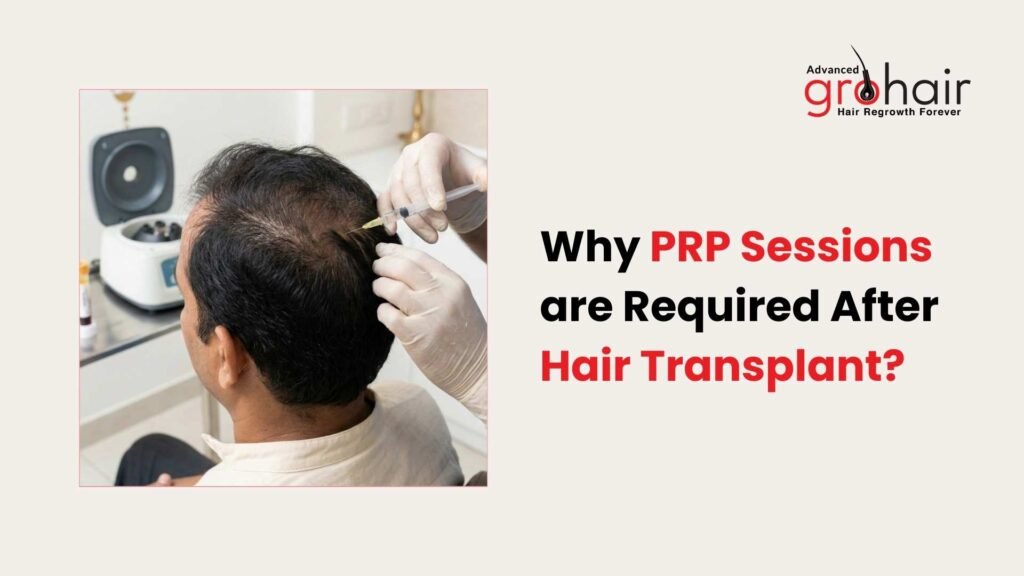
This is where the role of prp becomes vital. PRP (platelet-rich plasma) is a concentrated serum derived from the patient. During the procedure, blood is drawn and placed in a centrifuge to isolate the platelet-rich plasma. This solution is exceptionally rich in growth factors, providing the “biological jumpstart” needed for a high survival rate and density.
Why PRP Sessions are Required After Hair Transplant
1. Accelerating Blood Supply & Healing
The primary role of prp therapy is to accelerate healing and stimulate the micro-circulation around transplanted hair follicles. By delivering a high concentration of growth factors in prp, we help improve hair anchoring and ensure that new hair receives immediate nourishment.
2. Boosting Hair Density and Growth
Achieving maximum hair density is the goal of every cosmetic surgery. Regular prp sessions nourish both the transplanted hair and the existing hair. The growth factor signals encourage the follicle to produce a thicker shaft, leading to improved hair density that looks natural and full.
3. Minimizing Shock Loss
Hair loss after a transplant—known as “shock loss”—can be stressful. By starting prp sessions early, we can stimulate the hair roots and shorten the shedding phase, allowing for thicker hair growth to appear within three to six months.
Preventing "Miniaturization" of Native Hair
One of the most overlooked benefits of prp is its protective effect on your existing hair. The trauma of hair transplant surgery can sometimes trigger “stress shedding” in the non-transplanted hair around the surgery site.
PRP enhances the health of the entire scalp environment. By injecting platelet-rich plasma therapy into the surrounding areas, we protect the non-transplanted hair follicles from miniaturizing, ensuring a seamless blend between the new hair and your natural coverage.
The Post-Op 3-Phase Recovery Strategy
To achieve long-lasting results, prp sessions spaced correctly are essential. One cannot expect best results from a single injection.
Phase | Timing | Clinical Objective |
Session 1 | 3–4 Weeks Post-Op | PRP improves the healing process and anchors the graft. |
Session 2 | 8 Weeks Post-Op | Enhance the rate of transplanted hair entering the growth phase. |
Session 3 | 12 Weeks Post-Op | Maximize hair density and growth for a natural look. |
Conclusion
A hair transplant is a remarkable feat of modern cosmetic surgery, but it is the biological support provided afterward that determines the final outcome. In 2026, PRP therapy necessary protocols have become the benchmark for elite hair restoration. By combining prp with a hair transplant, you are utilizing the most effective solutions in regenerative medicine to ensure your transplant success.
Discover how prp can transform your hair transplant results. Schedule your consultation today to see how our advanced hair protocols can give you the thicker, healthy hair you deserve.
Frequently Asked Questions
Is PRP required after a hair transplant for growth?
While the transplanted follicles will technically grow on their own, PRP is considered clinically required to ensure maximum graft survival and density. Without the growth factors found in PRP, the “survival rate” of the follicles may decrease, and the recovery period (shock loss) often lasts significantly longer.
When should I start my first PRP session after surgery?
Most leading hair restoration clinics recommend starting your first PRP session between 21 to 30 days post-op. This timing is critical because it coincides with the phase where the grafts are attempting to establish a permanent blood supply and require a “biological boost” to prevent dormancy.
How many PRP sessions are needed for the best transplant results?
For optimal density and healing, a standard protocol involves 4-6 sessions, spaced approximately 4 weeks apart.
Can skipping PRP cause a hair transplant to fail?
Skipping PRP does not necessarily mean the transplant will “fail,” but it significantly increases the risk of sub-optimal density.
Does PRP help with "Shock Loss" after surgery?
Yes. PRP is one of the most effective ways to minimize post-operative shock loss. By reducing inflammatory stress and nourishing the surrounding native hair, PRP helps prevent the temporary shedding of existing hair that often occurs after the trauma of surgery.
Is it painful to have PRP injections on a healing scalp?
Most patients report minimal discomfort. By 3-4 weeks post-op, the scalp has largely healed. Clinics use vibratory distraction tools or local numbing to ensure the procedure is comfortable.
Book An Appointment
Also Read