How to Stop Hair Fall in Teenagers - Safe Steps That Actually Help
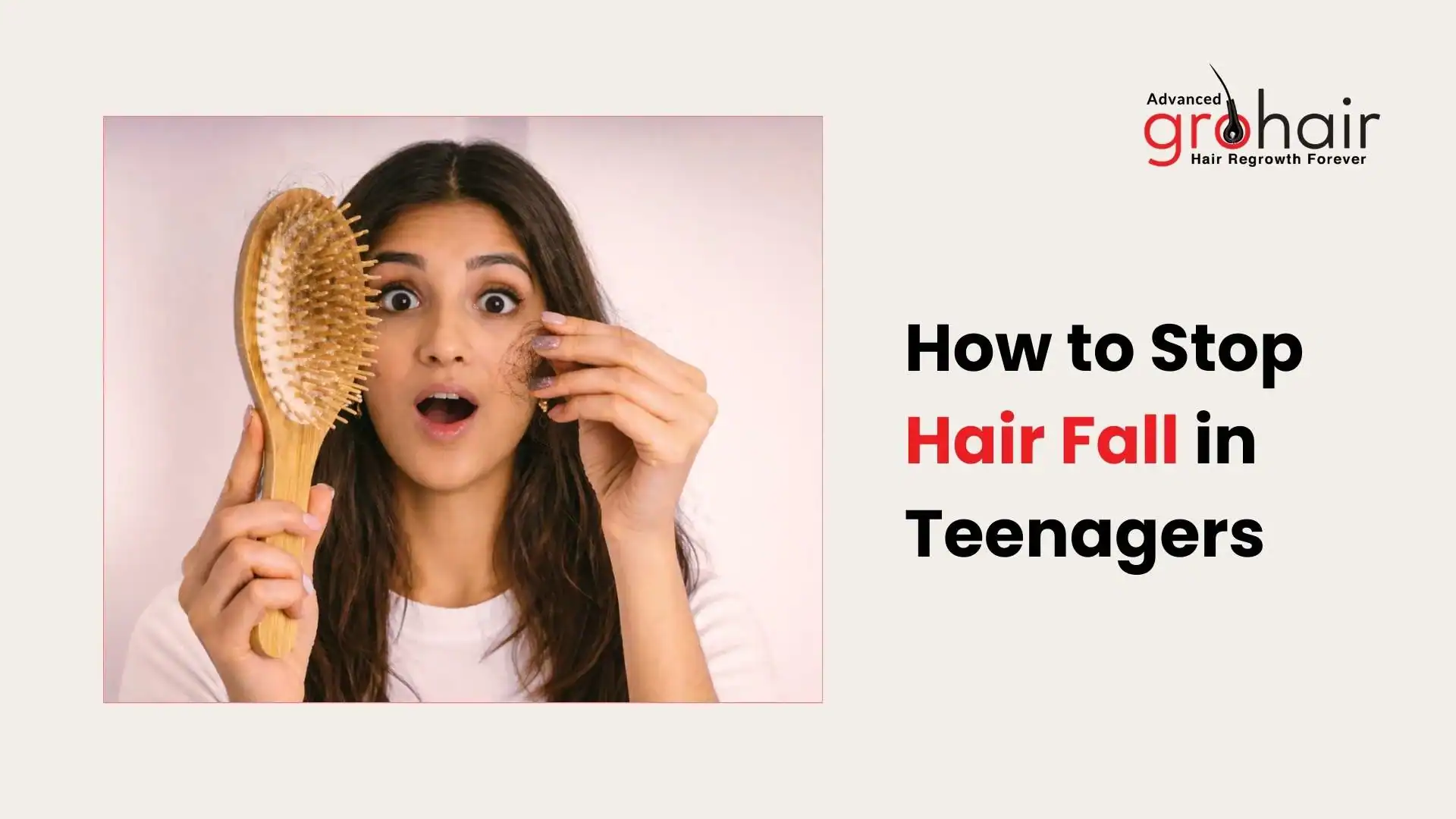
The teenage years are a perfect storm for hair changes: puberty hormones, exam stress, sleep shifts, dieting, dandruff, and tight hairstyles. So if you’re a teenager or parent seeing more strands on the pillow or in the shower, it’s understandable to worry.
Teenage hair loss and hair fall can feel dramatic, but hair loss is often a symptom of a trigger—especially stress/illness-related shedding—rather than permanent baldness.
This guide explains the symptoms of teenage hair loss, the most common causes, and a simple plan to protect hair health and support healthy hair growth.
Confirm what’s happening (shedding vs breakage vs thinning)
Shedding vs breakage
- Hair shedding = hair comes out from the root (you see full-length strands).
- Hair breakage = strand snaps along the hair shaft (you see many short pieces).
This matters because breakage is often routine/styling damage, while true shedding can reflect stress, illness, or scalp conditions.
When it’s excessive
There’s a normal range of hair shed daily, but if you may notice hair in clumps, sudden ponytail shrinkage, or a widening part, that can be excessive hair loss / excessive hair fall.
What thinning looks like
Thinning hair can show up as a wider part, more scalp show, or hair that feels thin overall. Many teens see hair loss and thinning together when the trigger is ongoing.
Understand why hair fall happens in teenagers (top causes)
1. Telogen effluvium
This is one of the most common patterns: after a shock to the body (high stress, fever, illness, sudden weight change), hair shifts into a resting phase and sheds later. It often looks like sudden hair fall and can be scary—but it’s typically temporary and can improve in 3–6 months once the trigger is resolved.
2. Scalp infection
Some teens get fungal scalp infections that cause patchy hair loss with scaling/itch. This needs targeted treatment—don’t guess with random creams.
3. Alopecia areata
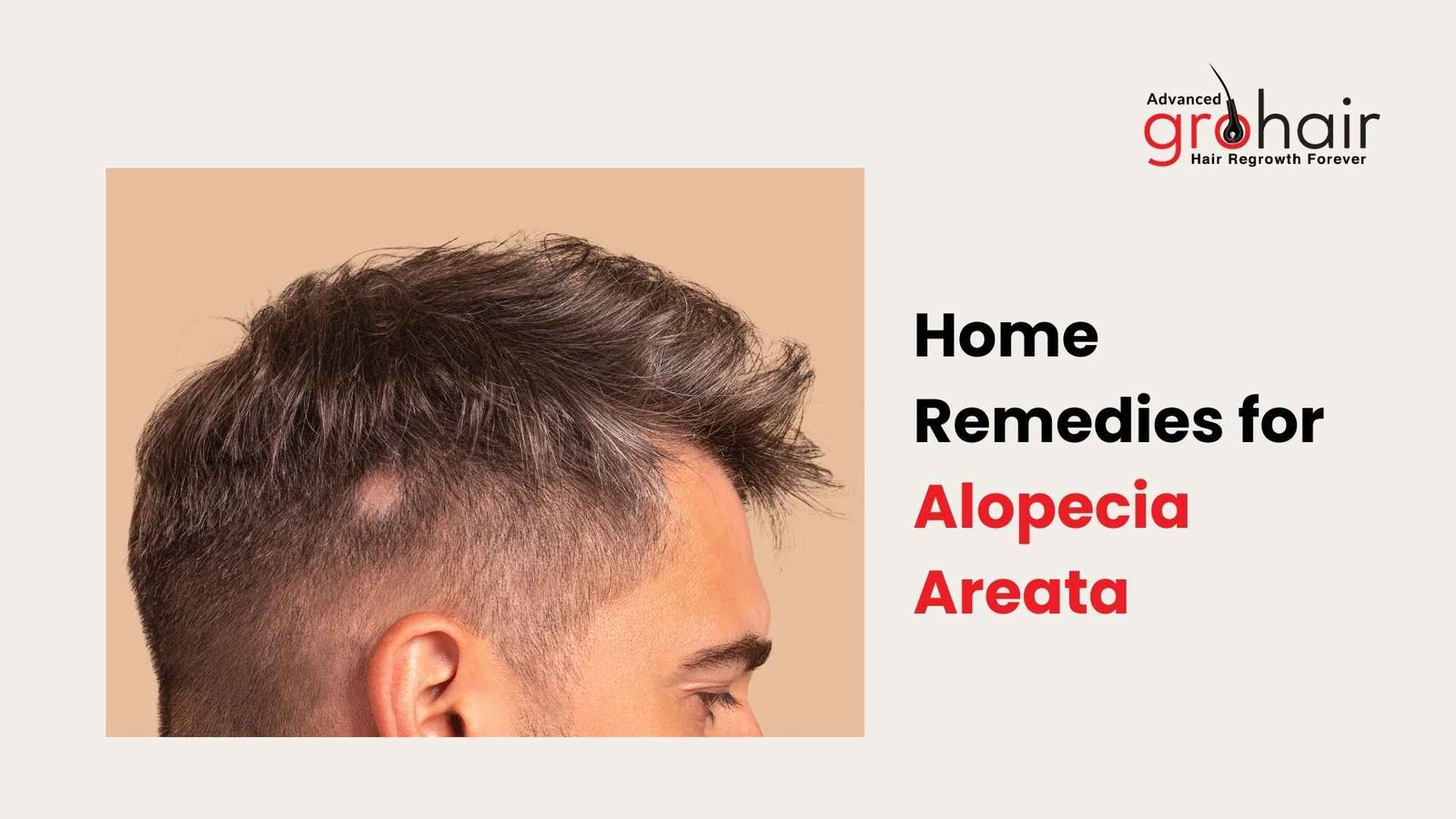
Alopecia areata often shows up as smooth, round patches of hair loss and may need medical evaluation and treatment options.
4. Traction + styling damage
If your hair is too tight often (tight ponytails/braids/buns), traction can weaken roots over time and contribute to hair thinning and breakage.
5. Diet and recovery gaps
Low protein intake, iron deficiency risk, crash dieting, and poor sleep can weaken hair and affect hair growth, leading to hair that feels more thin.
Action plan to reduce hair fall safely
Reset your hair care routine
– Switch to gentle hair care: no harsh scrubbing, no aggressive detangling
– Reduce heat styling and chemical treatments
– Keep styling simple (less traction)
Washing and product sanity
– Wash as needed for your scalp type (too little or too harsh can worsen irritation)
– Avoid stacking multiple strong products
Nutrition + sleep (your follicles care)
– Protein daily + iron-rich foods
– Hydration
– Consistent sleep window
Stress recovery
If stress is high, it can trigger hair loss and prolong shedding. A small daily routine (walk, sunlight, breathing) can reduce the intensity of stress signals over time.
Track triggers
Track shedding level + scalp symptoms + sleep + diet + hairstyle tension. This helps you understand why hair is changing and prevents random product-hopping.
Avoid common mistakes
– Don’t scrub hard, use hot water daily, or rough towel-dry
– Don’t crash diet
– Don’t keep hair tied tight every day
– Don’t panic-switch products weekly
Can hair grow back in teenagers?
Often, yes. For telogen effluvium, hair typically returns as the body resets (commonly within months).
You can stimulate hair growth safely through consistent nutrition, sleep, gentle care, and reducing traction—rather than harsh “quick fixes.”
When to seek help
Get checked early if you see:
– patchy bald spots (possible alopecia areata or infection)
– scaling, severe itch, pain, pus (possible infection)
– heavy shedding that keeps worsening for weeks, or progressive visible thinning
A hair clinic can guide hair loss treatments and treatment options for teenage hair based on the exact cause.
Quick checklist
– Loose hairstyles (reduce traction)
– Gentle washing + no harsh scrubbing
– Protein + iron-rich foods
– Consistent sleep
– Reduce heat styling
– Track shedding + triggers for 3–4 weeks
Conclusion
Hair fall in the teenage years is usually a signal, not a life sentence. The best way to stop hair fall is to identify the trigger—stress/illness shedding, scalp infection, traction, or nutrition gaps—and fix the basics consistently. Gentle hair care, better recovery, and steady meals support follicles and help the hair growth cycle normalize.
If hair loss becomes excessive, turns patchy, or keeps worsening, get it checked early to prevent further hair loss and protect healthy hair growth.
FAQs
Is hair fall normal during the teenage years?
Mild shedding can be normal, but sudden heavy shedding, visible thinning, or patchy hair loss needs attention.
How do I know if it’s hair fall or hair breakage?
Hair fall is full-length strands from the root; breakage looks like short snapped pieces from heat, friction, or rough handling.
What is telogen effluvium in teenagers?
Stress/illness-related shedding where hair shifts into a resting phase and sheds later—usually temporary.
Do tight hairstyles cause hair thinning in teenagers?
Yes. Repeated tension from tight ponytails/braids/buns can weaken roots and lead to traction-related thinning.
When should a teenager see a doctor for hair loss?
If there are patchy bald spots, scaling/itch with pain or pus, or heavy shedding/thinning that keeps worsening for weeks.
Book An Appointment
Also Read